How to Detect and Fix Heat Exchanger Leaks
Heat exchangers are essential in many industrial processes, helping transfer heat between fluids without allowing them to mix. However, leaks can develop due to corrosion, gasket failure, thermal stress, vibration, or mechanical damage. Detecting these problems early helps prevent production losses, equipment damage, and costly shutdowns.
Common Signs of a Heat Exchanger Leak
One of the first signs of leakage is an unexpected change in fluid pressure or flow rate. If pressure on one side drops without an operational reason, there may be a breach in the heat-transfer surface.
Fluid contamination is another important warning sign. When fluids that should remain separate begin mixing, changes in colour, chemical composition, conductivity, or quality may become noticeable. Unusual temperature fluctuations can also indicate that the exchanger is not transferring heat as expected.
Visible signs such as moisture, dripping, corrosion marks, or deposits around joints and connections should also be investigated immediately.
How to Detect Heat Exchanger Leaks
The inspection method depends on the exchanger design and operating conditions. A pressure test is commonly performed by isolating the equipment and pressurising one side while monitoring pressure changes. A significant pressure drop may indicate leakage.
Hydrostatic testing can help identify leaks in tubes, plates, or other pressure-containing components. For more detailed inspection, technicians may use dye testing, ultrasonic techniques, or other non-destructive testing methods.
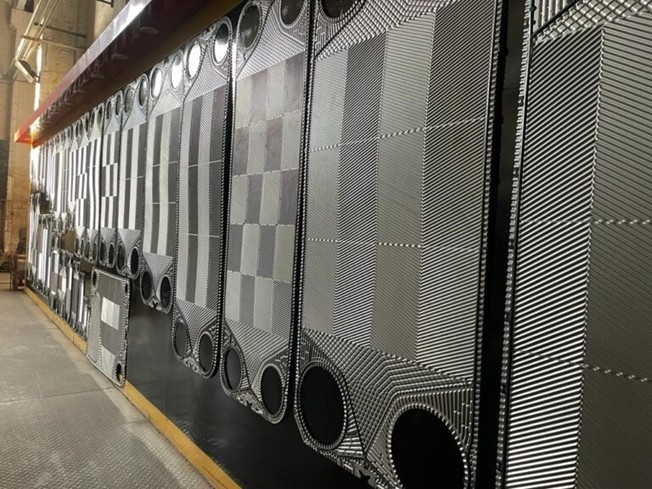
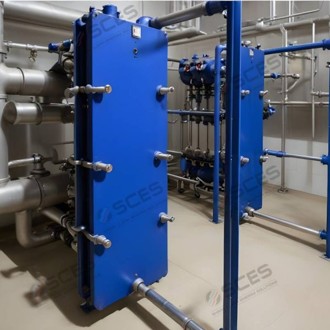
In plate heat exchangers, damaged or incorrectly fitted gaskets are a common source of leakage. A detailed inspection should therefore include plates, gaskets, tightening dimensions, ports, and connections.
How to Fix the Leak
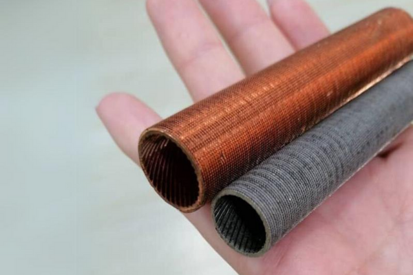
The appropriate repair depends on the source and severity of the problem. Damaged gaskets may need replacement, while cracked or corroded components may require repair or replacement. Tubes with localised damage can sometimes be repaired, depending on the equipment design and operating requirements.
Before restarting the exchanger, the repaired equipment should be properly inspected and pressure-tested. Correct installation is equally important because improper gasket positioning, incorrect tightening, or unsuitable replacement components can cause repeat leakage.
Choosing an experienced plate heat exchanger manufacturer in india can provide better guidance on component selection, maintenance, repair, and long-term reliability.
Complete Heat Exchanger Services by SCES Shrao Engineering
SCES Shrao Engineering provides complete services for heat exchanger requirements, including engineering consultation, design support, manufacturing, fabrication, inspection, repair, maintenance, and application-specific solutions. Its technical approach helps industries identify leakage issues and select suitable corrective measures.
Working with reliable heat exchanger suppliers in india can also help ensure access to suitable replacement components and technical support when maintenance is required.
Conclusion
Heat exchanger leaks should never be ignored. Early detection through pressure monitoring, visual inspection, testing, and performance checks can minimise downtime and prevent further equipment damage. Timely repairs and proper maintenance can significantly improve exchanger reliability and service life.
Need professional heat exchanger inspection, repair, or manufacturing support? Contact SCES Shrao Engineering today to discuss your requirements and get complete engineering services.
FAQs
1. What are the common signs of a heat exchanger leak?
Common signs include pressure loss, fluid mixing, unexpected temperature changes, visible moisture, corrosion, and reduced heat-transfer performance.
2. What causes heat exchanger leaks?
Common causes include gasket failure, corrosion, thermal expansion, vibration, excessive pressure, mechanical damage, and improper installation.
3. How is a heat exchanger leak detected?
Leaks can be detected using pressure testing, hydrostatic testing, visual inspection, dye testing, ultrasonic methods, and fluid-quality monitoring.
4. Can a leaking heat exchanger be repaired?
Yes. Depending on the damage, repairs may involve gasket replacement, tube repair, component replacement, or other specialised corrective work.
5. Why do plate heat exchanger gaskets fail?
Gaskets may fail because of ageing, excessive temperature, chemical exposure, improper installation, compression issues, or unsuitable gasket material.
6. Is pressure testing safe for heat exchangers?
Pressure testing should be performed by trained professionals using appropriate procedures, equipment, pressure limits, and safety precautions.
7. How can heat exchanger leaks be prevented?
Regular inspection, correct operating conditions, proper maintenance, suitable materials, timely gasket replacement, and professional servicing help prevent leaks.
8. When should a leaking heat exchanger be replaced?
Replacement may be necessary when components have extensive corrosion, repeated failures, severe structural damage, or repairs are no longer economical.