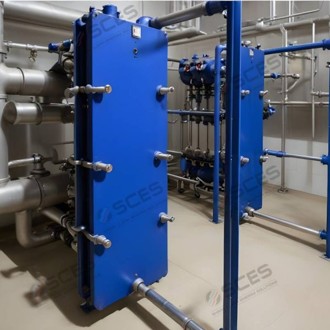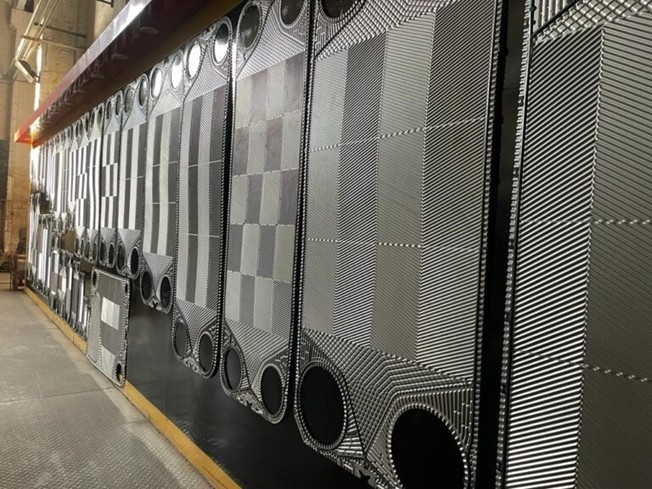
Shell and tube heat exchangers are the backbone of thermal management in industries ranging from petrochemicals to power generation. Their primary function is simple: transfer heat between two fluids efficiently without mixing them. However, achieving maximum thermal efficiency isn’t accidental—it is the direct result of meticulous engineering and design. The internal architecture of these systems dictates how well they manage fluid dynamics, thermal resistance, and pressure drops.
Here is a closer look at how specific design choices impact overall heat transfer efficiency.
1. Baffle Design and Spacing
Inside the shell, baffles serve a dual purpose: they support the long tubes to prevent vibration and, more importantly, they direct the shell-side fluid back and forth across the tube bundle. Optimal baffle spacing is critical. If baffles are placed too far apart, the fluid might flow parallel to the tubes, which minimizes heat transfer. If placed too close, the pressure drop becomes excessively high, wasting pumping energy. Well-engineered baffles create the perfect amount of turbulence needed to break the thermal boundary layer, significantly enhancing the heat transfer rate.
2. Tube Layout and Pitch
The geometric arrangement of the tubes—known as the tube pitch and layout—heavily influences both efficiency and maintenance.
- Triangular Pitch: This layout allows more tubes to be packed into a given shell diameter, maximizing the surface area. It also creates higher turbulence, making it highly efficient for clean fluids.
- Square Pitch: Often chosen when the shell-side fluid is prone to fouling, this layout provides clear lanes between the tubes, allowing for easier mechanical cleaning and maintenance, which sustains efficiency over time.
3. Fluid Velocity and Pass Arrangements
The number of times a fluid passes through the shell or the tubes dictates its velocity. Higher fluid velocities generally improve heat transfer coefficients by reducing fouling and thinning the boundary layers. However, increased velocity also leads to higher pressure drops. Engineers use multi-pass designs to strike a balance, ensuring that the maximum amount of thermal energy is exchanged without overwhelming the industrial pumps.
4. Material Selection and Thermal Conductivity
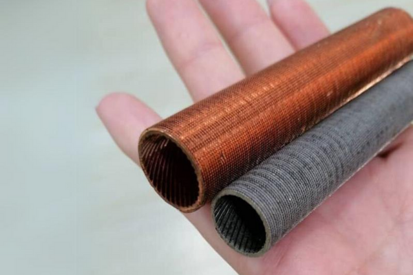
The physical materials used for the tubes are fundamental to the process. Metals with high thermal conductivity ensure rapid heat exchange. Furthermore, selecting the correct corrosion-resistant material prevents scaling. Over time, scale acts as an insulator, drastically reducing thermal efficiency.
The Importance Of Expert Fabrication
Achieving this delicate balance of thermodynamics and fluid mechanics requires deep engineering expertise. When industries seek reliable, high-performance thermal solutions, they turn to top shell and tube heat exchanger manufacturers in India who understand these complex design variables. Companies like SCES Shrao Engineering lead the way in custom-designing equipment tailored to specific process parameters. As one of the most trusted heat exchanger suppliers in India, they utilize high-grade materials and precision fabrication techniques to ensure every unit delivers optimal thermal performance, minimal pressure loss, and long-lasting durability.
Optimize Your Thermal Processes Today
Are you looking to enhance your plant’s energy efficiency with custom-engineered thermal solutions? Don’t let poor equipment design bottleneck your industrial operations. Contact SCES Shrao Engineering today to consult with our technical experts and discover how our high-performance shell and tube heat exchangers can maximize your operational efficiency!