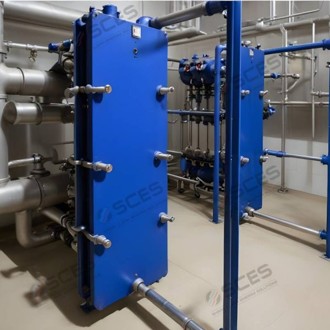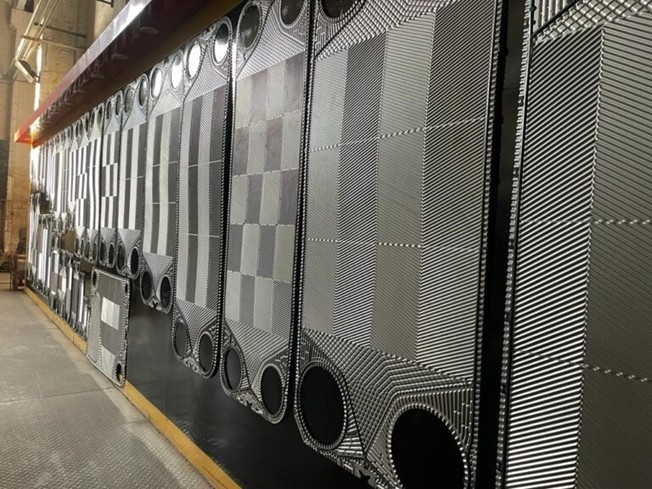
Plate Heat Exchangers (PHEs) are highly efficient thermal management systems relied upon across diverse industries, from food and beverage processing to heavy chemical manufacturing. While the corrugated metal plates often receive the most attention, the true unsung heroes of this equipment are the elastomeric gaskets. These precision-moulded rubber seals direct fluid flow, maintain pressure, and prevent catastrophic cross-contamination.
It is easy to overlook these components until a leak occurs, but adopting a “run-to-failure” approach is an expensive mistake. Here is how implementing a regular PHE gasket maintenance routine protects your bottom line.
1. Eliminating Unplanned Downtime
When a gasket fails unexpectedly during a production run, the entire heat exchanger must be shut down immediately for emergency repairs. In industrial settings, an abrupt halt in production can cost thousands of dollars per hour in lost output and idle labour—a sum that far exceeds the price of replacement parts. By implementing a proactive maintenance schedule, plant managers can track the lifecycle of the rubber seals and replace them during planned facility outages, ensuring continuous, uninterrupted production.
2. Sustaining Thermal and Energy Efficiency
Over time, prolonged exposure to extreme temperatures, pressure fluctuations, and aggressive chemicals causes rubber to lose its elasticity and become brittle. A degraded gasket can cause internal micro-leaks, allowing the hot and cold process fluids to mix. This cross-contamination drastically reduces thermal efficiency, forcing pumps and boilers to work overtime to achieve the desired temperature parameters. By maintaining fresh, tightly sealing gaskets, you prevent this energy waste and keep utility bills in check.
3. Protecting Expensive Metal Plates
As gaskets age and flatten out, they lose their ability to provide a uniform, shock-absorbing cushion between the metal plates. If maintenance teams simply tighten the heat exchanger further to compensate for these worn, leaking seals, it creates intense, localized stress points. This over-tightening can easily warp, deform, or even crack the expensive stainless steel or titanium plates. Replacing an entire damaged plate pack is exponentially more expensive than routinely swapping out a set of rubber seals.
Sourcing Quality Replacements with SCES Shrao Engineering
The success of any maintenance program heavily depends on the quality of the replacement components. Working directly with a reputable PHE gaskets manufacturer ensures that the elastomeric compounds—whether NBR, EPDM, or Viton—are specifically formulated to withstand your precise operating conditions.
Furthermore, partnering with a reliable PHE gasket supplier guarantees quick, consistent access to the right spares exactly when you need them. SCES Shrao Engineering stands out as a trusted leader in thermal management solutions, providing high-grade replacement components designed for perfect fitment and exceptional durability. By choosing their expertly engineered products, you ensure your heat exchangers operate safely, efficiently, and profitably for years to come.
Protect Your Equipment and Your Profits
Don’t wait for a catastrophic leak or skyrocketing energy bills to remind you of the importance of maintenance. Proactive care is the smartest financial decision for your facility. Contact SCES Shrao Engineering today to secure premium replacement gaskets and consult with our technical experts on optimizing your plate heat exchanger maintenance strategy!