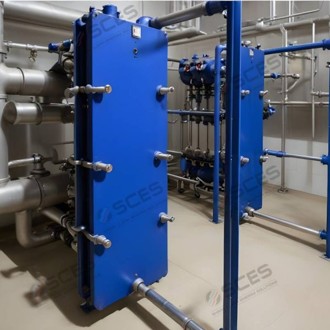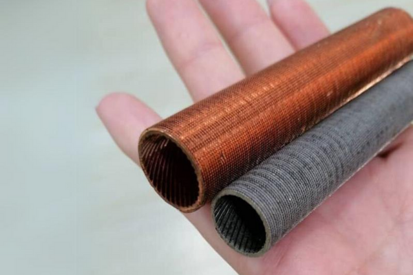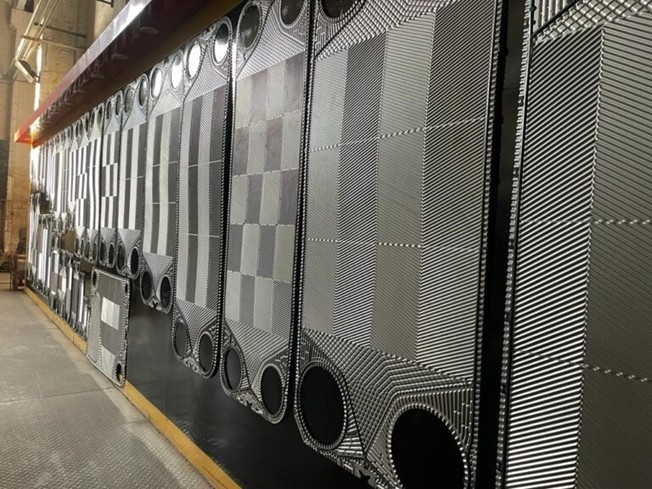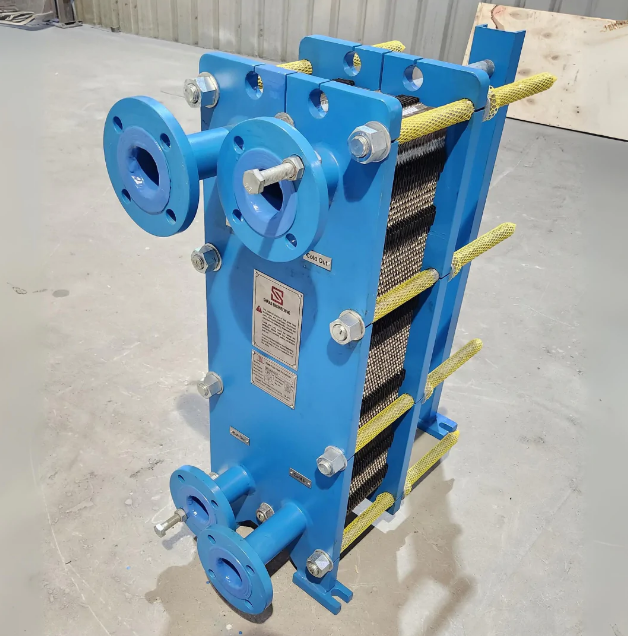
Plate Heat Exchangers (PHEs) are vital components across numerous heavy industries, including chemical processing, power generation, and manufacturing. Valued for their compact footprint and exceptional thermal efficiency, they operate quietly in the background. However, because they are so reliable, they are often overlooked until a significant problem arises. Neglecting routine maintenance can lead to reduced operational efficiency, compromised product quality, and costly unplanned downtime. To prevent catastrophic system failures, operators must remain vigilant.
Here are the key warning signs indicating your plate heat exchanger requires immediate servicing.
1.Unexplained Pressure Drops
A sudden or gradual increase in the pressure drop across the heat exchanger is one of the most common and earliest indicators of trouble. This usually means there are blockages within the narrow plate channels caused by fouling, scaling, or particulate build-up. When the fluid cannot flow freely, the system’s pumps have to work much harder to push the media through. This not only increases energy consumption but also stresses the entire fluid handling system, signalling that the plates need a thorough cleaning.
2.Decreased Thermal Efficiency
The primary function of a PHE is the efficient transfer of thermal energy. If you notice that your target temperatures are no longer being met—for example, the cooling fluid is not chilling to the required degree or a heating process is taking significantly longer—your unit is losing its efficiency. Biological fouling or mineral scaling on the plate surfaces acts as an unwanted insulator, drastically reducing the heat transfer rate and directly impacting your bottom line.
3.Visible External Leaks
A puddle of process fluid or water forming around the base of your unit is a glaring red flag. External leaks usually occur because the elastomeric gaskets have degraded over time. Continuous exposure to high temperatures, pressure spikes, and harsh chemicals causes gaskets to lose their elasticity, become brittle, or suffer from a pressure blowout. Prompt gasket replacement is necessary to restore a leak-proof seal and prevent severe safety or environmental hazards on the shop floor.
4.Cross-Contamination Of Fluids
If you detect traces of one fluid in the other’s loop (such as cooling water mixing with your critical lubricating oil), you are dealing with a severe internal leak. This typically happens when the metal plates develop micro-cracks or pinholes due to aggressive corrosion, extreme pressure cycles, or chemical attacks. Cross-contamination can ruin entire product batches and damage downstream equipment, requiring immediate plate inspection and replacement.
Partnering With Industry Experts
Navigating these complex operational challenges requires partnering with seasoned professionals. As a leading plate heat exchanger manufacturer in India, SCES Shrao Engineering understands the precise metallurgical and mechanical engineering required to build and maintain high-performing thermal systems. Sourcing high-quality replacement parts or entirely new units from reliable plate heat exchanger suppliers in India ensures your equipment is restored using components that meet stringent dimensional and material standards. As a premier heat exchanger manufacturer, SCES Shrao Engineering provides comprehensive solutions, from robust fabrication to specialized servicing, keeping your industrial processes running flawlessly.
Restore Your Thermal Efficiency Today
Do not wait for a complete system breakdown to address these critical warning signs. Proactive servicing saves capital, protects your heavy equipment, and minimizes operational downtime.
Contact SCES Shrao Engineering today to schedule a comprehensive evaluation of your thermal systems and secure top-tier plate heat exchanger solutions for your facility!