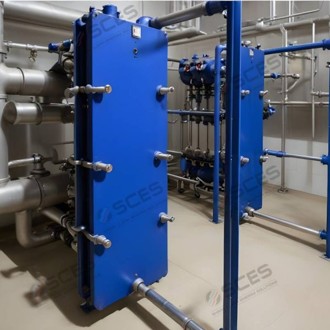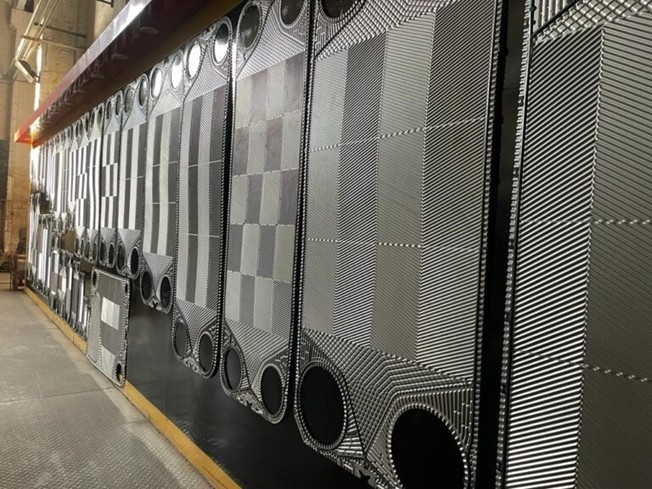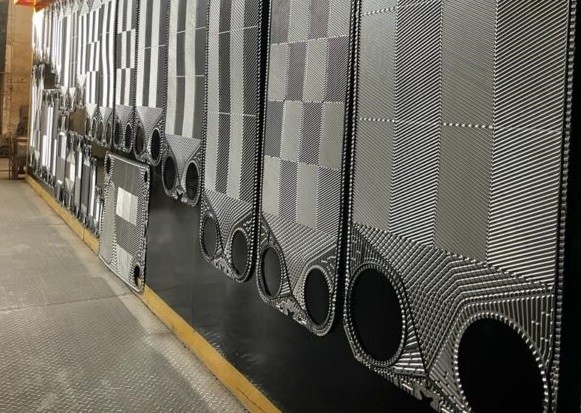
Plate heat exchangers (PHEs) are renowned for their exceptional efficiency in transferring thermal energy between two fluids. However, the unsung heroes of these compact and highly efficient systems are the gaskets. Gaskets create the vital, leak-proof seal between the metal plates, preventing cross-contamination and external fluid loss. Selecting the correct gasket material is not a simple task; it is a critical engineering decision heavily dictated by two primary operational parameters: temperature and pressure.
Here is a closer look at how these two factors influence PHE gasket selection.
1. The Impact Of Operating Temperature
Temperature is often the most destructive force a gasket will face. Every elastomer (rubber-like material) has a specific thermal operating range.
- High Temperatures: When exposed to heat beyond their design limit, gaskets can suffer from a “compression set.” This means they lose their elasticity and permanently flatten out, breaking the seal. Extreme heat can also cause thermal degradation, making the rubber brittle or causing it to melt. For high-temperature applications, materials like EPDM (Ethylene Propylene Diene Monomer) or FKM (Viton) are typically required over standard NBR (Nitrile).
- Low Temperatures: Conversely, in cryogenic or refrigeration applications, standard rubber can freeze, becoming rigid and highly prone to cracking under mechanical vibration.
To avoid premature thermal failure, it is essential to work with a knowledgeable phe gaskets manufacturer capable of engineering or recommending compounds that withstand your specific thermal cycling without degrading.
2. The Role Of System Pressure
While temperature attacks the material’s chemical structure, pressure attacks its physical stability. Fluid pressure inside a plate heat exchanger constantly pushes outward against the sealing gaskets.
- Gasket Extrusion: In high-pressure environments, a gasket that is too soft can be physically squeezed out of the plate grooves—a phenomenon known as extrusion or a “blow-out.”
- Pressure Spikes: Systems subjected to sudden pressure surges or “water hammer” effects require highly resilient gaskets with excellent tensile strength to absorb the shock without rupturing.
Sourcing your components from a reliable phe gasket supplier ensures you receive gaskets with the correct dimensional tolerances and material hardness (durometer) to resist extreme internal pressures and pressure fluctuations.
3. The Synergy Of Temperature And Pressure
In real-world applications, temperature and pressure rarely act alone. A gasket might easily handle high pressure at room temperature but fail at that exact same pressure when heated, as elevated temperatures naturally soften elastomer materials. Engineers must always evaluate the combined maximums—the highest possible temperature occurring simultaneously with the highest possible pressure—to make a safe and reliable selection.
The SCES Shrao Engineering Advantage
Understanding the intricate balance between fluid dynamics, thermodynamics, and material science is crucial for optimal heat transfer. As a premier heat exchanger manufacturer, SCES Shrao Engineering has extensive experience designing and servicing robust thermal systems for heavy industries. We ensure that every plate heat exchanger is equipped with the precise gasket material required to handle your exact process conditions, maximizing system uptime, safety, and overall operational efficiency.
Optimize Your Thermal Processes Today
Are you experiencing frequent gasket blowouts, internal mixing, or premature fluid leaks? Do not let improper material selection compromise your facility’s operational efficiency and safety.
Contact SCES Shrao Engineering today to discuss your plate heat exchanger requirements and discover reliable, custom-engineered thermal solutions that keep your operations running flawlessly!