The global shift toward renewable energy is accelerating, driven by the urgent need to decarbonize our power grids. While solar panels and wind turbines are the visible faces of this revolution, the true efficiency of many green energy systems relies heavily on advanced thermal management. Whether harnessing the earth’s natural warmth or concentrating the sun’s rays, heat exchangers are the unsung heroes making large-scale renewable power viable, efficient, and reliable.
Here is how modern heat exchangers are driving the renewable energy sector forward.
1. Elevating Geothermal Power Efficiency
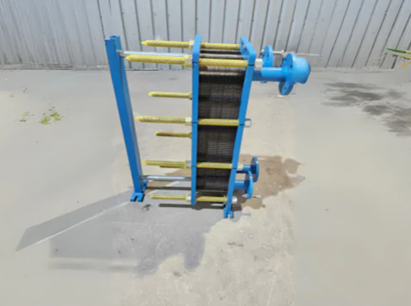
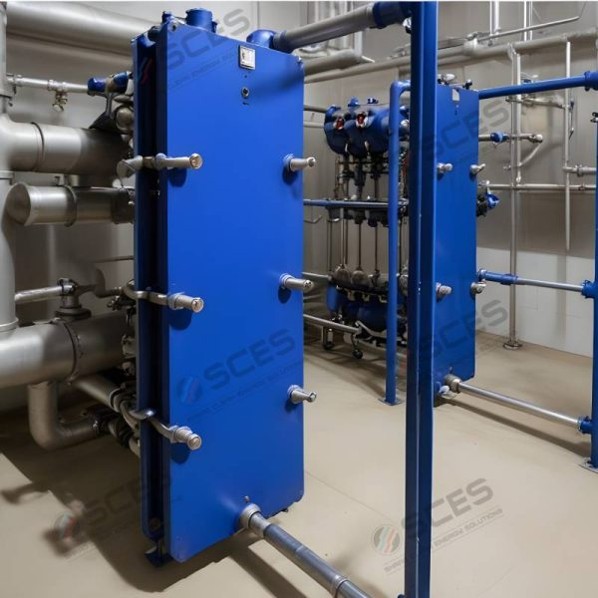
Geothermal energy relies on extracting naturally occurring heat from deep underground reservoirs. However, this geothermal fluid is often highly corrosive, laden with minerals and salts that can rapidly destroy standard equipment. Advanced plate heat exchangers act as a crucial intermediary.
They efficiently transfer the immense thermal energy from the corrosive geothermal brine to a clean, secondary working fluid (like isobutane) that safely drives the power-generating turbines. By sourcing robust equipment from specialized heat exchanger suppliers in India, geothermal plants can ensure their systems resist mineral scaling and chemical attack, ensuring decades of uninterrupted, baseload power generation.
2. Optimizing Concentrated Solar Power (CSP)
Unlike standard photovoltaic panels that convert sunlight directly to electricity, Concentrated Solar Power (CSP) plants use vast arrays of mirrors to focus sunlight, generating extreme heat. This thermal energy is used to heat specialized transfer fluids, such as molten salts, to over 500°C.
High-performance shell and tube heat exchangers are required to transfer this massive thermal load to water, creating the superheated steam necessary to spin massive electrical turbines. The precision engineering of these exchangers directly dictates the overall conversion efficiency of the solar plant.
3. Enabling Biomass and Biogas Viability
Biomass plants convert organic waste into usable energy, often through anaerobic digestion or direct combustion. These processes are highly sensitive to temperature fluctuations. Heat exchangers are utilized to precisely pre-heat organic sludge before digestion, accelerating the production of methane gas.
Furthermore, during the combustion phase, heat recovery exchangers capture waste heat from the exhaust gases, significantly boosting the plant’s overall thermal efficiency. To handle the particulate-heavy exhaust and highly variable temperatures of biomass systems, operators must partner with a trusted heat exchanger manufacturer in India capable of designing heavy-duty, customized thermal solutions.
4. Supporting Hydrogen Fuel Production
Green hydrogen is emerging as the ultimate clean fuel. The electrolysis process—using renewable electricity to split water into hydrogen and oxygen—generates significant excess heat. Efficient thermal management is vital to maintain the delicate operating temperatures of the electrolysers. Advanced heat exchangers not only cool the system to prevent degradation but can also capture this waste heat for secondary industrial or district heating applications.
Partner With SCES Shrao Engineering
The success of any renewable energy project hinges on maximizing thermal efficiency while minimizing maintenance downtime. As a premier heat exchanger manufacturer & supplier, SCES Shrao Engineering specializes in designing highly specialized thermal management systems for the green energy sector. We engineer robust, corrosion-resistant heat exchangers that guarantee optimal heat transfer under the most extreme operational conditions, ensuring your renewable projects deliver maximum power and profitability.
Are you developing a renewable energy facility? Contact SCES Shrao Engineering today to discuss your thermal management needs and secure the high-performance heat exchangers your project demands.