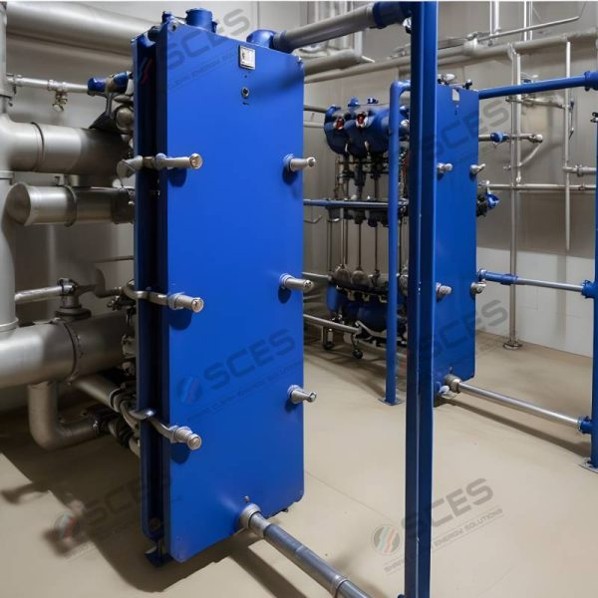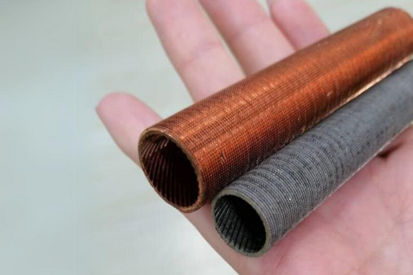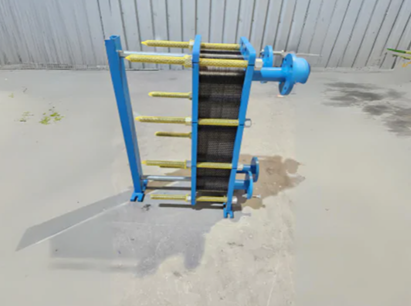
Energy efficiency has become a major priority for Indian industries looking to control operating costs while maintaining consistent production. Heating and cooling are often among the most energy-intensive stages of an industrial process. This is where plate heat exchangers can make a practical difference by transferring heat efficiently between two fluids without allowing them to mix.
Making Better Use of Existing Heat
A key advantage of plate heat exchangers is their ability to recover and transfer thermal energy effectively. Hot process fluid can transfer its heat to a colder fluid through thin metal plates. Instead of allowing useful heat to escape, industries can reuse it within another stage of the process.
This approach can reduce the requirement for additional heating or cooling, helping plants use available energy more effectively.
Compact Design, Strong Heat Transfer
Plate heat exchangers consist of multiple corrugated plates arranged closely together. Their large surface area creates efficient contact between the fluids and supports rapid heat transfer.
Compared with conventional heat exchangers, their compact construction can provide substantial heat-transfer capacity while occupying relatively less floor space. This can be particularly beneficial for manufacturing facilities where plant space needs to be utilised carefully.
Lower Heating and Cooling Requirements
Industrial processes frequently require fluids to be heated, cooled, or maintained at specific temperatures. An efficient heat exchanger can reduce the workload placed on boilers, chillers, cooling systems, and other utilities.
For example, heat recovered from a hot process stream can be used to preheat incoming water or another process fluid. Such heat recovery can reduce fuel or electricity consumption and contribute to better overall plant efficiency.
Flexible for Different Applications
Plate heat exchangers are used across several industries, including food processing, pharmaceuticals, chemicals, HVAC, refrigeration, dairy processing, and general manufacturing. Their modular construction also allows capacity to be adjusted by adding or removing plates, depending on the equipment design.
Industries can consult a reliable plate heat exchanger manufacturer in India to determine the appropriate plate material, configuration, temperature range, pressure rating, and heat-transfer capacity for their application.
Supporting Long-Term Operational Performance
Energy efficiency is not only about reducing immediate power or fuel consumption. Proper heat transfer can also support stable process temperatures and improve overall operational control. Regular cleaning and maintenance are important because fouling or deposits on heat-transfer surfaces can reduce efficiency over time.
Choosing suitable equipment and receiving proper technical support can therefore have a significant impact on long-term performance. SCES Shrao Engineering provides complete services, including consultation, equipment selection, engineering support, manufacturing, installation assistance, and maintenance solutions.
Working with experienced plate heat exchanger suppliers in India can also help industries select equipment suited to their process conditions and operational requirements.
A Practical Step Towards Energy Conservation
For industries aiming to reduce energy consumption, plate heat exchangers provide an effective way to maximise heat recovery and improve thermal management. Their compact design, efficient heat transfer, and application flexibility make them suitable for a wide range of industrial processes.
Looking to improve your plant’s energy efficiency? Contact SCES Shrao Engineering today to discuss your heat-transfer requirements and find a suitable plate heat exchanger solution.
FAQs
1. What is a plate heat exchanger?
A plate heat exchanger transfers heat between two fluids through thin metal plates while keeping the fluids separated.
2. How do plate heat exchangers save energy?
They efficiently recover and transfer heat, reducing the energy required for separate heating and cooling operations.
3. Where are plate heat exchangers used?
They are used in food processing, pharmaceuticals, chemicals, HVAC, refrigeration, dairy, and various manufacturing applications.
4. Are plate heat exchangers energy efficient?
Yes. Their large heat-transfer surface and compact design allow efficient thermal exchange with comparatively low energy requirements.
5. Can plate heat exchangers recover waste heat?
Yes. They can transfer recoverable heat from hot process streams to colder fluids, reducing energy wastage.
6. Do plate heat exchangers require maintenance?
Yes. Periodic inspection and cleaning help prevent fouling and maintain efficient heat-transfer performance.
7. Can plate heat exchangers be customised?
Yes. Plate materials, configurations, capacity, and connections can be selected according to specific industrial process requirements.
8. What affects heat exchanger efficiency?
Fluid properties, temperature difference, flow rate, plate design, fouling, pressure conditions, and regular maintenance can affect overall efficiency.