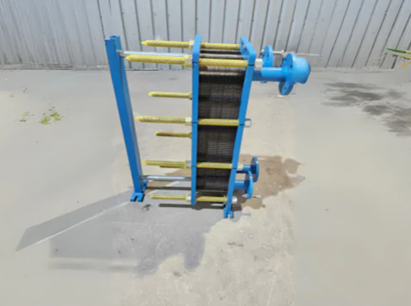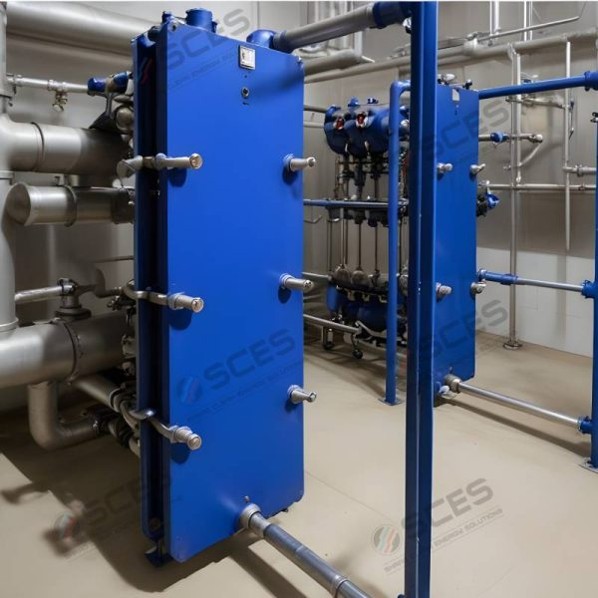
Plate Heat Exchangers (PHEs) are essential components in countless industrial processes, efficiently transferring heat between fluids. While the metal plates do the heavy lifting of thermal transfer, it is the elastomer gaskets that ensure the system operates safely and effectively by creating a leak-proof seal. These gaskets face constant stress from fluctuating temperatures, high pressures, and aggressive chemicals. Without proper care, they degrade, leading to costly leaks and unplanned downtime.
Understanding how to maintain these critical seals is the key to maximizing their lifespan and protecting your operational bottom line.
1. Consistent Temperature and Pressure Monitoring
The primary enemy of any rubber or elastomer component is thermal and mechanical shock. Exceeding the design specifications of your gaskets causes the material to harden, crack, or permanently deform—a process known as compression set. Regularly monitoring and controlling the operating temperatures and pressures within your system prevents this premature aging. If your processes frequently push the limits of your current setup, it is crucial to consult with a reliable PHE gaskets manufacturer to source materials specifically engineered for high-stress, high-temperature environments.
2. Implementing Safe Cleaning Protocols (CIP)
Fouling and scaling on the heat exchanger plates drastically reduce efficiency and force the system to work harder, putting additional strain on the seals. Clean-in-Place (CIP) procedures are necessary, but the chemicals used can be highly corrosive. Using cleaning agents that are incompatible with your gasket material (such as using strong acids on standard Nitrile rubber) will dissolve or swell the seals. Always verify the chemical compatibility of your CIP fluids and flush the system thoroughly with clean water immediately after the cleaning cycle to remove any lingering corrosive residue.
3. Proper Opening and Closing Procedures
When a heat exchanger must be opened for manual cleaning or plate inspection, the handling of the unit is critical. Overtightening the tie bolts during reassembly crushes the gaskets, destroying their elasticity and sealing capability. Conversely, uneven tightening creates pinch points and misalignments. Always follow the manufacturer’s specific torqueing sequence and ensure the plate pack is tightened to the precise “A” dimension (the optimal compressed length).
4. Strategic Inventory Management
Gaskets have a finite shelf life, even when not in use. Storing them in hot, humid, or UV-exposed environments accelerates ozone degradation and dry rot. Keep replacement gaskets flat, in a cool, dark, and dry environment. To ensure you are receiving fresh, high-quality elastomers, always source your spares from a trusted PHE gasket supplier who adheres to strict storage and manufacturing standards.
Partner With SCES Shrao Engineering
The longevity of your heat exchanger depends entirely on the quality of its components and the precision of its assembly. As a leading heat exchanger manufacturer in India, SCES Shrao Engineering understands that off-the-shelf solutions rarely meet the demanding needs of complex industrial applications. We specialize in designing robust, high-efficiency heat transfer systems and supplying premium-grade gaskets tailored precisely to your operational environment, ensuring maximum uptime and reliability.
Do not let a failing gasket compromise your entire production line. Contact SCES Shrao Engineering today to discuss your maintenance needs or to upgrade to our premium, long-lasting PHE sealing solutions.