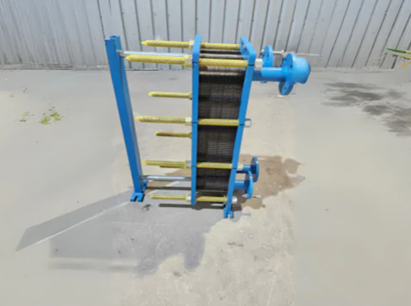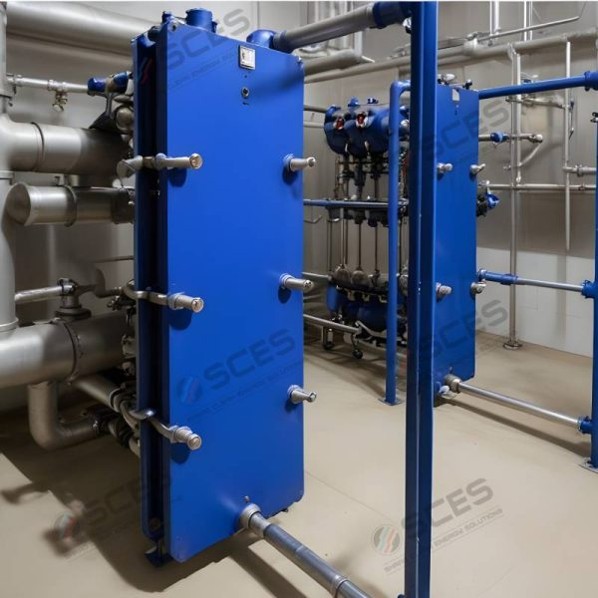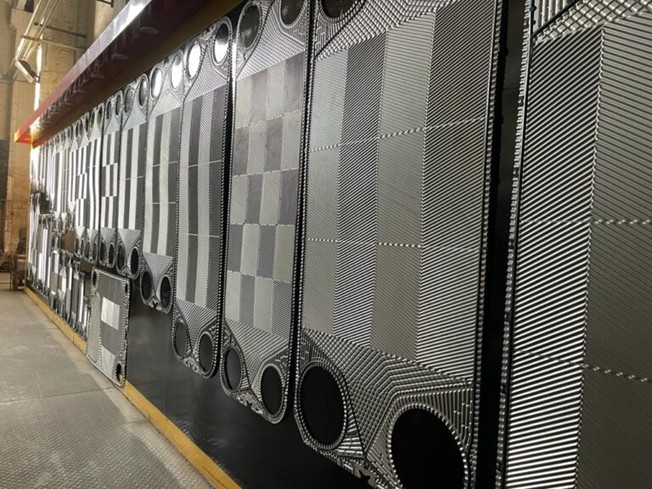
Plate Heat Exchangers (PHEs) are celebrated across heavy industries for their incredible thermal efficiency and remarkably compact footprint. However, the entire success of this intricate system relies heavily on one of its most unassuming components: the gasket. While the titanium or stainless-steel corrugated plates conduct the heat, the gaskets are the ultimate gatekeepers. They bear the immense responsibility of keeping distinct fluid streams completely separate while preventing external leaks.
But how exactly do these elastomer seals perform under such intense industrial pressure and fluctuating temperatures?
1. The Ingenious Double-Seal Design
The primary function of a PHE gasket is to direct fluid flow while maintaining absolute containment. These gaskets are meticulously moulded to sit securely within the precise peripheral grooves of the heat transfer plates. Modern designs feature a highly engineered double-seal mechanism around the port holes. If the primary seal experiences a failure due to pressure spikes, the secondary seal prevents the two process fluids from mixing. Instead, it directs the leaking fluid outward to the atmosphere. This visual warning system prevents catastrophic cross-contamination, which is critical in pharmaceutical, food processing, and chemical applications.
2. Material Science For Extreme Environments
A gasket’s ability to remain leak-free over years of service is directly tied to its specific chemical composition. Operating conditions vary wildly—from freezing refrigerants and aggressive acids to scalding industrial steam. A top-tier PHE gaskets manufacturer formulates specialized elastomers to combat these exact extremes. Nitrile rubber (NBR) is typically utilized for water and oil-based applications, EPDM is essential for high-temperature steam, and FKM (Viton) is deployed for harsh chemicals. Selecting the incorrect material inevitably leads to chemical degradation, swelling, and sudden blowouts.
3. Compression and Dynamic Elasticity
When a plate heat exchanger is assembled, the entire plate pack is tightened to a highly specific dimension using tie bolts. This massive mechanical force compresses the gaskets, forcing the elastomer to expand and fill every microscopic imperfection within the metal groove, thereby creating a fluid-tight barrier. Furthermore, as industrial processes undergo rapid heating and cooling cycles, the metal plates naturally expand and contract. The gasket must possess exceptional dynamic elasticity to maintain constant compressive force against the metal, ensuring the seal remains intact during aggressive thermal shifts.
4. Precision Dimensional Tolerances
Given the high operational stakes, maintenance is not the place to cut corners. Using off-brand, poorly molded seals often results in uneven compression and unexpected downtime. Partnering with a reliable PHE gasket supplier guarantees that your replacement seals match the exact dimensional tolerances, thickness, and material specifications required by your original equipment.
Partner With SCES Shrao Engineering
At SCES Shrao Engineering, we understand that thermal efficiency means nothing without absolute operational reliability. As a premier heat exchanger manufacturer, we engineer highly robust thermal management systems designed for maximum uptime and uncompromising safety. Whether you are installing a new processing line or optimizing your current fluid systems, our team ensures your equipment is built to withstand the rigorous demands of your specific industry without leaking a single drop.
Are you experiencing unexpected pressure drops or planning essential maintenance for your thermal systems? Contact SCES Shrao Engineering today to ensure your heat exchangers operate flawlessly and leak-free.