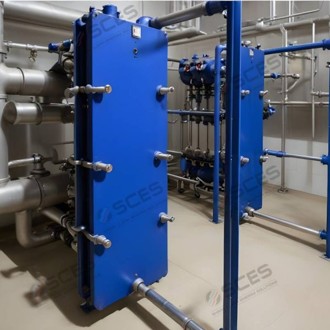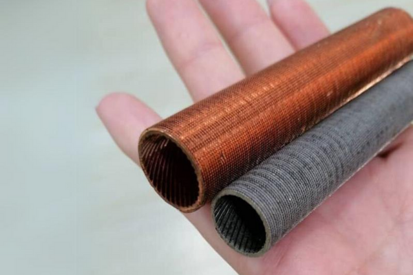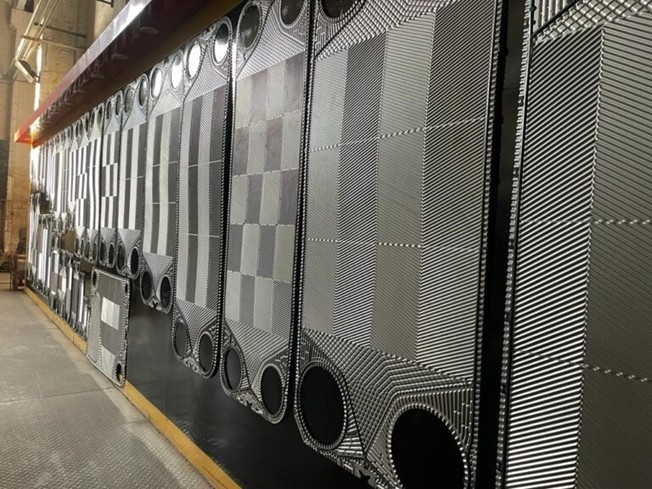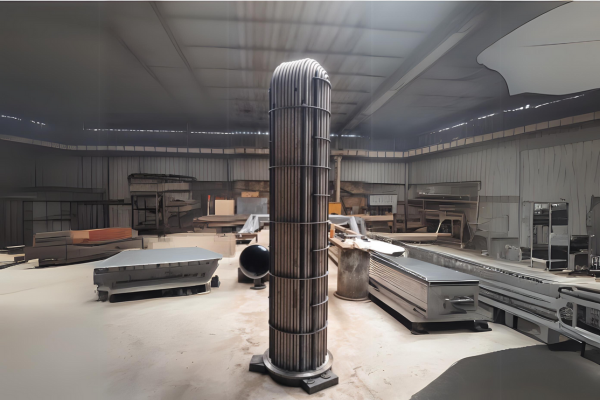
Shell and tube heat exchangers are the rugged workhorses of countless industries across India, from chemical plants to power generation facilities. Their ability to handle high pressures and temperatures makes them indispensable. However, to keep them operating at peak efficiency, a smart and proactive maintenance strategy is crucial.
Fouling, corrosion, and leaks can drastically reduce performance, increase energy consumption, and lead to costly unplanned downtime. Here are some essential maintenance and cleaning tips to ensure your heat exchanger runs smoothly for years to come.
1. Establish A Proactive Maintenance Schedule
Don’t wait for efficiency to drop before acting. The most important tip is to be proactive.
- Monitor Key Performance Indicators (KPIs): Keep a regular log of the inlet/outlet temperatures and the pressure drop across both the shell and tube sides. A gradual increase in pressure drop or a decrease in the temperature difference often indicates fouling is occurring.
- Regular Visual Inspections: When possible, conduct visual checks for any signs of corrosion, erosion, or leaks around the tube sheets, flanges, and gaskets.
2. Choose The Right Cleaning Method
There is no single best way to clean a heat exchanger; the right method depends on the type of fouling (scale, sludge, biological growth) and the tube material.
- Mechanical Cleaning: This is often the first line of attack for hard deposits. High-pressure water jetting (hydro-jetting) is highly effective at blasting away scale and debris from inside the tubes. For softer deposits, tools like tube brushes or scrapers can be used.
- Chemical Cleaning: When fouling is widespread or difficult to remove mechanically, chemical cleaning is a powerful option. A cleaning solution is circulated through the system to dissolve the deposits. Crucially, the chemical used must be compatible with the tube and shell materials to prevent corrosion.
3. Don’t Forget General Maintenance Practices
Beyond cleaning, other practices are vital for long-term health.
- Leak Detection: Regularly check for leaks, as even small ones can lead to cross-contamination of fluids and reduce efficiency.
- Gasket and Bolt Inspection: Periodically inspect and, if necessary, replace gaskets. Ensure all bolts are torqued to the correct specifications to prevent leaks.
- Record Keeping: Maintain a detailed log of all maintenance activities, including inspection dates, cleaning methods used, and performance data before and after cleaning.
Partner With A Quality Manufacturer
Effective maintenance starts with a well-designed piece of equipment. Leading shell and tube heat exchanger manufacturers in India design their units with serviceability in mind, using features like removable tube bundles that allow for easier inspection and cleaning.
This is a core principle at SCES Shrao Engineering. We understand the demanding operational environment in India and engineer our heat exchangers for durability, efficiency, and ease of maintenance. While many heat exchanger suppliers in India can sell you a standard unit, a true partner like SCES Shrao Engineering provides equipment built for long-term performance and reliability.
Your heat exchanger is a critical asset. Proper care will pay dividends in efficiency and longevity.
Looking for a new heat exchanger designed for easy maintenance, or need advice on your current setup? Contact SCES Shrao Engineering today to speak with our experts!