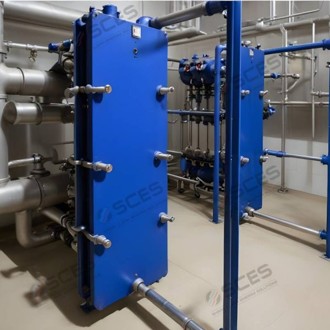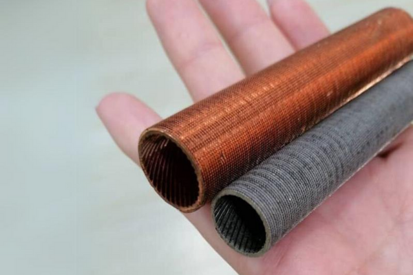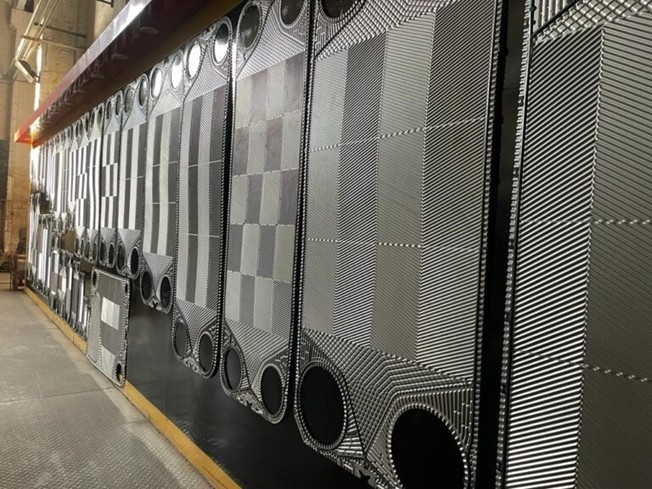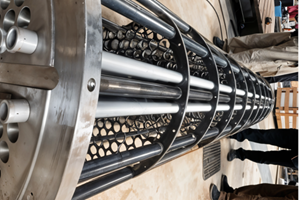
Shell and tube heat exchangers are the undisputed workhorses of the thermal processing world. They operate continuously in the background of power generation plants, chemical refineries, and heavy manufacturing facilities. However, over time, the rigorous operational demands placed on these systems can inevitably lead to tube leaks. A microscopic leak might seem insignificant initially, but it can cause severe cross-contamination, ruin entire product batches, trigger unexpected operational downtime, and result in massive thermal efficiency drops. Catching these leaks early is absolutely vital for maintaining overall process integrity, equipment longevity, and workplace safety.
Why Do Tubes Leak?
Before diving into detection strategies, it is helpful to understand why these leaks occur in the first place. Continuous exposure to high-velocity fluids, aggressive corrosive chemicals, and extreme thermal cycling can severely degrade the tube material over its lifespan. Furthermore, flow-induced vibrations can cause mechanical wear and tear where the tubes pass through the baffle plates.
Top Methods For Early Leak Detection
Operators can deploy several strategies to catch leaks before they escalate into major failures:
- Routine Fluid Sampling: Regularly analyzing the fluids on both the shell and tube sides is a proactive approach. Finding traces of the cooling fluid in the process fluid (or vice versa) is a definitive sign of a breach.
- Pressure Drop Monitoring: A sudden, unexplained pressure drop or fluctuation on either side of the exchanger is often the very first indicator of an internal leak. Incorporating automated pressure sensors can immediately alert operators to these anomalies.
- Hydrostatic Testing: Conducted during scheduled maintenance shutdowns, this classic method involves isolating the shell side and pressurizing it with water while leaving the tube side open to the atmosphere. Any moisture or dripping appearing at the tube sheet clearly indicates a compromised tube that needs plugging or replacing.
- Acoustic Emission Testing: For advanced, online diagnostics, acoustic sensors can essentially “listen” to the heat exchanger while it is running. The high-frequency noise generated by a pressurized fluid escaping through a micro-crack can be detected long before it causes a major operational failure.
- Eddy Current Testing: This non-destructive testing (NDT) method uses electromagnetic induction to identify thinning walls, internal pitting, and hidden micro-cracks along the length of the tubes during maintenance turnarounds.
The Role Of Quality Manufacturing
Ultimately, the best defense against premature leaks begins at the design and manufacturing stage. Partnering with top-tier shell and tube heat exchanger manufacturers in India ensures that high-grade materials and precise tube-to-tube sheet expansion joints are utilized from the start. Furthermore, working with reliable heat exchanger suppliers in India ensures your equipment is perfectly engineered to handle your specific environmental and operational stresses. As a premier heat exchanger manufacturer, SCES Shrao Engineering prides itself on leveraging advanced fabrication technologies and rigorous testing protocols to build robust units designed for maximum longevity and leak resistance.
Secure Your Thermal Infrastructure
Do not wait for a catastrophic equipment failure to address the health of your critical thermal systems. Ensure your operations run smoothly and safely with premium, precision-engineered fabrication products.
Contact SCES Shrao Engineering today to discuss your custom heat exchanger requirements and upgrade your industrial infrastructure!