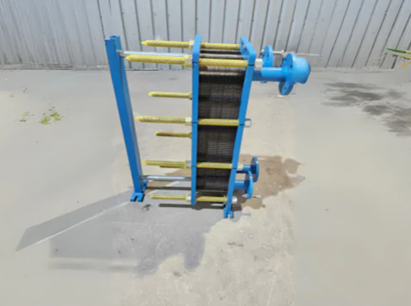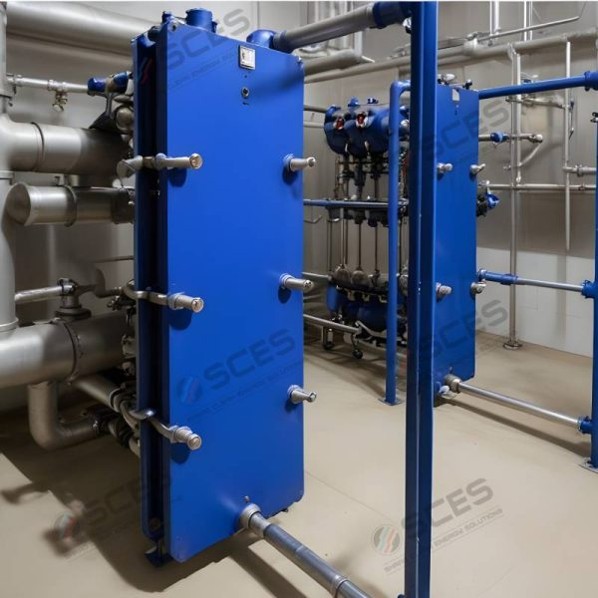
Plate Heat Exchangers (PHEs) are the unsung heroes of countless industrial processes, offering unparalleled efficiency in heat transfer within a compact footprint. From HVAC and food processing to chemical and power generation, their role is critical. However, choosing the right PHE is not a one-size-fits-all decision.
Making the wrong choice can lead to inefficiency, high operational costs, and premature failure. To ensure you invest in a solution that delivers optimal performance and reliability, here are the essential things to remember before you buy.
1. Define Your Operational Parameters Accurately
This is the absolute foundation of selecting the right PHE. You must have precise data on:
- Flow Rates: The volume of both the hot and cold fluids passing through the exchanger per unit of time.
- Temperatures: The inlet and desired outlet temperatures for both fluids.
- Allowable Pressure Drop: The maximum pressure loss your system can tolerate.
Providing inaccurate or incomplete data is the most common reason for an undersized or oversized unit, leading to poor performance.
2. Understand Your Fluid Characteristics
The nature of the fluids being processed is critical. Ask yourself:
- Are the fluids corrosive? This will dictate the plate material.
- What is their viscosity? Highly viscous fluids may require different plate designs.
- Do they contain solids or particulates? This could lead to fouling and may necessitate a wider gap plate design.
Being upfront about your fluid properties is key to the long-term health of the exchanger.
3. Scrutinize Material Selection (Plates & Gaskets)
Based on your fluids and temperatures, the choice of materials is paramount.
- Plates: Standard applications often use stainless steel (SS304 or SS316), but corrosive fluids may require materials like Titanium.
- Gaskets: The gasket material (e.g., NBR, EPDM, Viton) must be compatible with the chemical properties of the fluid and be able to withstand the operating temperatures to prevent leaks and degradation.
4. Consider Future Maintenance and Serviceability
A well-designed PHE should be easy to open, clean, and service. Consider the design of the frame and the ease with which plates can be added or removed. Minimizing downtime for maintenance is a crucial factor in the total cost of ownership.
5. Choose A Knowledgeable and Reputable Manufacturer
The final and most important step is selecting the right partner. Choosing an experienced plate heat exchanger manufacturer in India ensures that the unit is not just assembled, but properly engineered and thermally sized for your specific application. While many plate heat exchanger suppliers in India can provide a standard unit, a true manufacturing partner offers in-depth technical support and customization.
This is where SCES Shrao Engineering excels. We don’t just sell heat exchangers; we provide engineered thermal solutions. Our expert team works closely with you to analyse all the factors mentioned above, ensuring you receive a PHE that is perfectly tailored to your process needs. Our commitment to quality materials and precision engineering guarantees efficiency and a long service life.
Don’t leave your process efficiency to chance.
Contact SCES Shrao Engineering today to speak with our technical experts and get a customized quote for a plate heat exchanger that is built to perform.