A heat exchanger can only perform efficiently when its internal channels remain properly sealed. Even a small leak can lead to fluid mixing, pressure loss, equipment damage, or unexpected production downtime. This is where Plate Heat Exchanger (PHE) gaskets become essential. These components create a secure seal between plates, helping maintain smooth heat transfer and reliable industrial operations.
The Role of Gaskets in Preventing Leakage
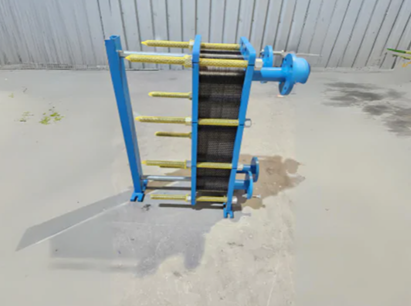
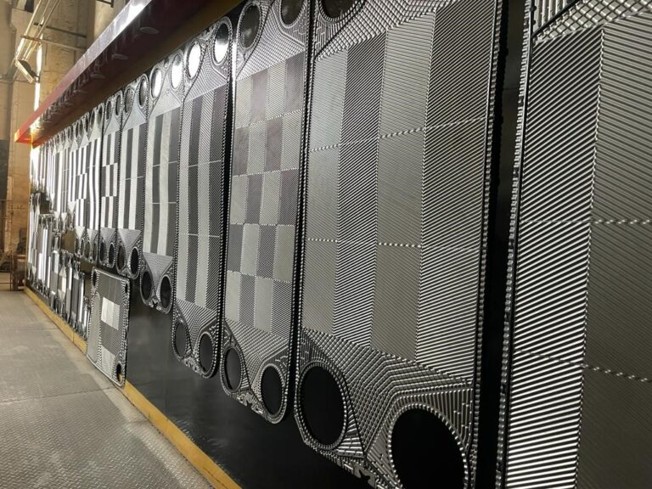
Plate heat exchangers contain multiple thin plates arranged to create separate channels for hot and cold fluids. Gaskets are fitted into grooves along the plates to direct each fluid through its designated path.
When the plates are assembled and compressed correctly, the gaskets form a tight seal around the channels. This prevents external leakage and reduces the risk of unwanted mixing between fluids.
However, sealing performance depends on several factors, including gasket material, plate alignment, operating pressure, and temperature. Selecting the right gasket is therefore essential for maintaining equipment reliability.
Material Selection Makes a Difference
Not all industrial applications involve the same fluids or operating conditions. Some heat exchangers handle water, while others process oils, chemicals, or other industrial liquids. Each application places different demands on gasket materials.
Common materials include EPDM, NBR, and FKM, each offering different levels of resistance to heat, oils, and chemicals. For example, EPDM is commonly used in water-based applications, whereas NBR is often considered for oil-related services.
A reliable phe gasket supplier can help businesses identify suitable materials according to fluid compatibility, temperature limits, and operating requirements. Correct selection helps minimise premature deterioration, swelling, cracking, and sealing failures.
How Proper Installation Improves Performance
Even a high-quality gasket may fail if it is installed incorrectly. Improper plate alignment, uneven tightening, or excessive compression can damage the sealing surface and create leakage points.
Before installation, technicians should inspect the plates and gasket grooves for dirt, corrosion, or damage. Gaskets must be positioned correctly, and the plate pack should be tightened according to the equipment manufacturer’s specifications.
Regular inspection is equally important. Signs such as visible leakage, hardened rubber, cracks, or deformation indicate that maintenance or replacement may be necessary. Replacing worn gaskets promptly helps prevent larger operational problems.
Why Quality Manufacturing Matters
Consistent dimensions, accurate moulding, and suitable material formulations are important for dependable gasket performance. Working with an experienced phe gaskets manufacturer helps businesses source components designed to match the required plate profile and operating conditions.
Correctly matched gaskets can reduce unplanned maintenance, support stable heat transfer, and improve equipment service life. Businesses should always verify compatibility with their specific heat exchanger model rather than selecting replacements based on appearance alone.
SCES Shrao Engineering provides complete services to support industrial heat exchanger requirements, helping customers identify suitable solutions for their equipment and operational needs.
Conclusion
PHE gaskets may be small components, but their contribution to heat exchanger safety and efficiency is significant. Choosing compatible materials, ensuring correct installation, and following regular maintenance practices can help prevent leakage and avoid costly downtime.
Looking for dependable PHE gasket solutions? Contact SCES Shrao Engineering to discuss your heat exchanger requirements and explore suitable products and services for your application.
Frequently Asked Questions (FAQs)
1. What is a PHE gasket?
A PHE gasket is a sealing component fitted between heat exchanger plates to prevent leakage and keep hot and cold fluids in separate channels.
2. How do PHE gaskets prevent leakage?
They form a tight seal between assembled plates, directing fluids through designated channels and preventing unwanted external leakage.
3. Which materials are commonly used for PHE gaskets?
Common materials include EPDM, NBR, and FKM. The appropriate choice depends on temperature, fluid compatibility, and operating conditions.
4. How often should PHE gaskets be replaced?
Replacement frequency depends on operating conditions, material quality, and maintenance history. Regular inspections help determine when replacement is necessary.
5. What causes PHE gasket failure?
Common causes include excessive temperatures, chemical incompatibility, overcompression, ageing, improper installation, and repeated pressure fluctuations.
6. Can damaged PHE gaskets affect heat exchanger efficiency?
Yes. Damaged gaskets can cause leakage, pressure loss, fluid mixing, and operational interruptions, affecting overall system performance.
7. How can businesses select the right PHE gasket?
Check the heat exchanger model, gasket dimensions, fluid type, operating temperature, pressure, and material compatibility before purchasing.
8. Why is gasket quality important for industrial applications?
Quality gaskets provide reliable sealing, reduce maintenance requirements, help prevent leakage, and support consistent heat exchanger performance.