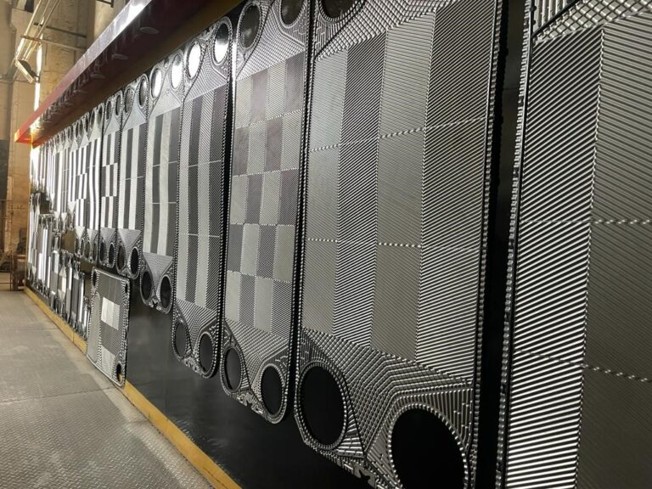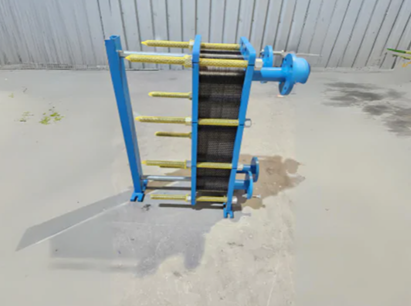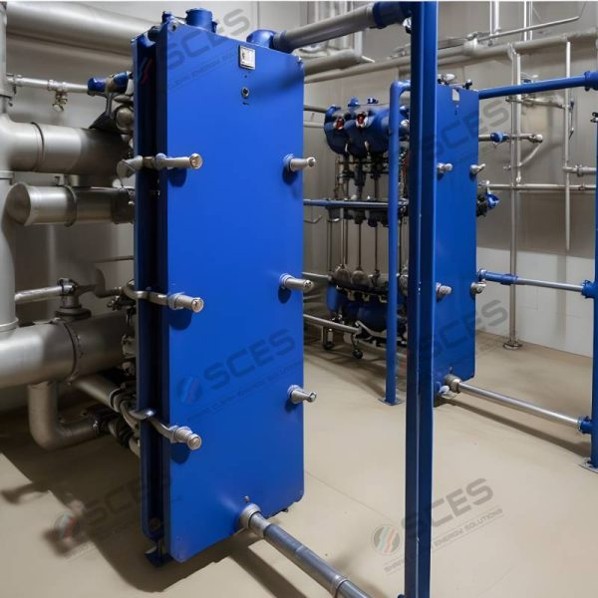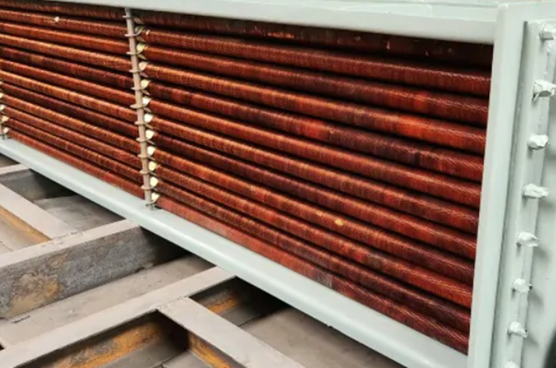
Industries across the world depend on efficient heat transfer systems to maintain productivity, manage operating temperatures, and improve energy utilisation. From chemical processing plants to power generation facilities, heat exchangers play an important role in industrial operations. CACW (Closed Air Circuit Water) heat exchangers are particularly useful in applications where reliable cooling and controlled heat dissipation are essential.
Meeting Industrial Cooling Requirements Worldwide
Different countries have different industrial standards, environmental conditions, and operational requirements. A heat exchanger designed for a manufacturing facility in India may require adjustments before it can be used in another region. Factors such as ambient temperature, water quality, available space, and cooling capacity influence equipment selection.
Experienced cacw heat exchanger manufacturers consider these requirements while designing and supplying equipment. Their approach involves understanding the application, selecting suitable materials, and developing systems that support consistent performance under varying operating conditions.
Customisation also helps industries address specific challenges without compromising cooling efficiency or equipment reliability.
Maintaining Quality Across International Markets
Exporting industrial equipment requires more than manufacturing a functional product. Buyers also expect consistent quality, dependable documentation, and compliance with applicable technical specifications.
Manufacturers must pay attention to material selection, fabrication quality, testing procedures, and inspection requirements. Proper packaging is equally important because industrial equipment may travel long distances by road, sea, or air before reaching its destination.
Quality checks before dispatch help identify potential issues and reduce the likelihood of installation delays. Clear technical documentation further supports overseas buyers during installation, operation, and maintenance.
Supporting Global Supply Chains and Timely Delivery
International industrial projects often operate within strict deadlines. Delays in equipment supply can affect installation schedules and overall project costs. Therefore, suppliers need organised production planning, efficient logistics coordination, and clear communication with clients.
Reliable cacw heat exchanger exporters help coordinate product specifications, shipping documentation, packaging, and delivery arrangements. Their ability to manage these requirements makes it easier for international buyers to procure industrial cooling equipment from overseas suppliers.
After-sales assistance and access to replacement components can also contribute to smoother operations throughout the equipment’s service life.
Why Technical Expertise Matters
Global customers increasingly look for suppliers who understand the complete project rather than simply delivering equipment. Technical consultation, suitable product selection, installation guidance, and maintenance support can make a significant difference to long-term performance.
SCES Shrao Engineering provides complete services to support industrial heat exchanger requirements, helping customers address their equipment needs through technical expertise and service-oriented solutions. Choosing a supplier that understands application requirements and prioritises quality can help businesses make informed purchasing decisions.
Conclusion
Serving global markets requires a combination of engineering knowledge, manufacturing quality, export coordination, and dependable customer support. CACW heat exchangers help industries manage cooling requirements, while experienced suppliers make procurement and implementation more efficient.
Looking for dependable CACW heat exchanger solutions? Contact SCES Shrao Engineering to discuss your industrial requirements and explore suitable products and services for your project.
Frequently Asked Questions (FAQs)
1. What is a CACW heat exchanger?
A CACW heat exchanger uses a closed air circuit and water-based cooling arrangement to manage heat generated during industrial operations.
2. Which industries use CACW heat exchangers?
They may be used in power generation, manufacturing, process industries, and other applications requiring reliable cooling systems.
3. How do CACW heat exchangers support industrial efficiency?
They help maintain suitable operating temperatures, manage heat loads, and support consistent equipment performance.
4. What should buyers consider when selecting a CACW heat exchanger?
Buyers should evaluate cooling capacity, operating conditions, material compatibility, maintenance requirements, and applicable technical standards.
5. How do manufacturers ensure product quality?
Manufacturers use appropriate materials, fabrication controls, inspections, and testing procedures to verify equipment quality and performance.
6. Why do businesses source CACW heat exchangers internationally?
International sourcing can provide access to specialised engineering capabilities, suitable product options, and competitive procurement opportunities.
7. What services should international buyers expect from suppliers?
Buyers should look for technical consultation, product documentation, export coordination, installation guidance, and after-sales support.
8. How can SCES Shrao Engineering help with CACW heat exchanger requirements?
SCES Shrao Engineering provides complete services to support industrial heat exchanger requirements, helping customers explore suitable solutions for their applications.