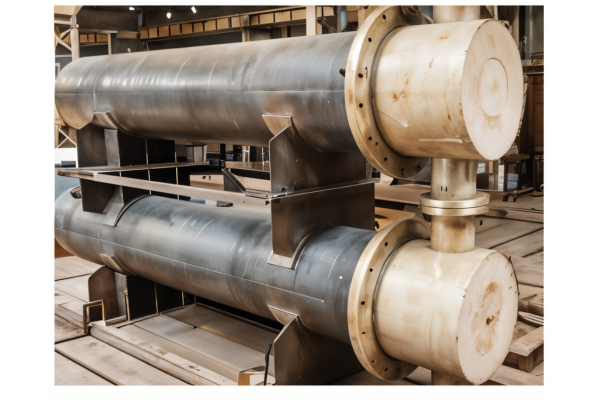
In heavy industries such as petrochemical processing, power generation, and oil refining, equipment is routinely subjected to extreme operational stresses. When it comes to transferring heat between two fluids under immense pressure, not just any equipment will do. Engineers and plant managers consistently turn to the shell and tube heat exchanger as the ultimate thermal management solution.
But what exactly makes this specific design the undisputed, gold-standard choice for high-pressure applications? Here is a look at the engineering reality behind their rugged performance.
1. Unmatched Structural Integrity
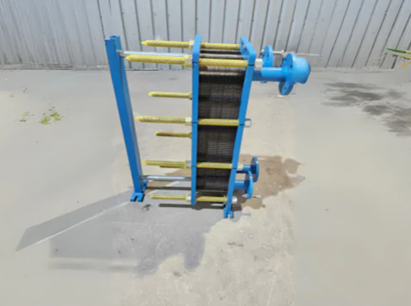
The fundamental geometry of a shell and tube heat exchanger provides unparalleled physical strength. Unlike plate heat exchangers, which rely heavily on rubber gaskets that can easily blow out under extreme force, shell and tube units feature a robust, continuous cylindrical shell holding a bundle of reinforced metal tubes. Cylinders naturally distribute internal pressure evenly across their entire surface area, significantly reducing stress concentrations and minimizing the risk of structural failure or violent rupture.
2. Extreme Material Customization
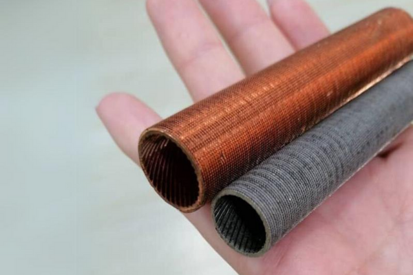
High pressure demands exceptionally resilient materials. The inherent design of these exchangers allows for the use of thick-walled internal tubes and exceptionally heavy-duty outer shell casings. Depending on the exact pressure ratings required—sometimes exceeding thousands of PSI—engineers can heavily customize the wall thickness without compromising the overall fluid flow dynamics. Leading shell and tube heat exchanger manufacturers in India utilize advanced metallurgy—incorporating carbon steel, stainless steel, titanium, or specialized high-nickel alloys—to engineer custom units capable of withstanding explosive pressures that would easily destroy plate-type alternatives.
3. Managing Thermal and Mechanical Stress
High-pressure industrial environments almost always go hand-in-hand with extreme temperature fluctuations. This combination causes massive metal components to rapidly expand and contract. Shell and tube designs ingeniously manage this through configurations like floating tube sheets or U-tube bundles. These mechanical allowances permit the internal tubes to expand and contract independently of the outer shell, preventing catastrophic thermal buckling, tube pull-out, and maintaining a perfect high-pressure seal at all times.
4. Reliable Safety and Maintenance
When operating volatile fluids at extreme pressures, safety and containment are non-negotiable. If a mechanical issue occurs and a single tube develops a leak due to corrosion or stress, the shell and tube design offers a highly practical advantage. The damaged tube can be quickly identified, isolated, and permanently plugged. The unit can then be safely brought back online without needing a complete equipment replacement. This combination of rugged safety and manageable maintenance is exactly why top heat exchanger suppliers in India consistently recommend this robust design to process facilities that simply cannot afford catastrophic failures or prolonged downtime.
Partner With SCES Shrao Engineering
Sourcing a heat exchanger for a high-pressure system requires a manufacturing partner you can trust with your facility’s safety and efficiency. SCES Shrao Engineering is a premier heat exchanger manufacturer dedicated to delivering precision-engineered, heavy-duty thermal solutions. Our shell and tube heat exchangers are fabricated to meet the most stringent international codes and standards, ensuring absolute reliability in the world’s most demanding industrial environments.
Don’t let extreme pressures compromise your operational safety. Contact SCES Shrao Engineering today to discuss your specific thermal requirements, and let us build a high-performance heat exchanger tailored to your facility.