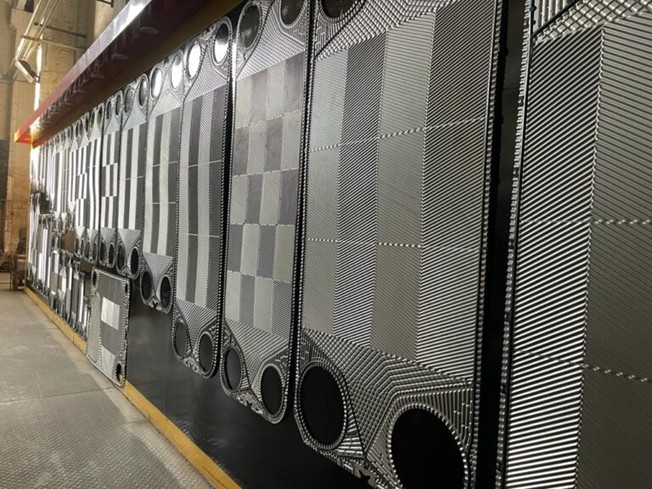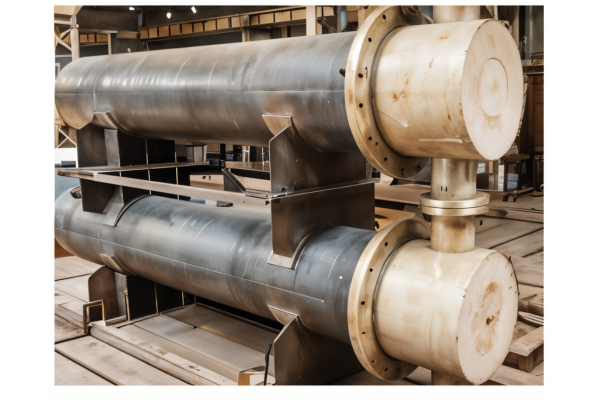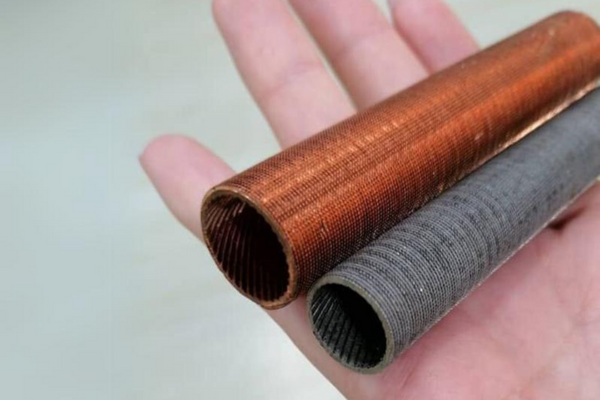
Plate Heat Exchangers (PHEs) are the beating heart of thermal management in industries ranging from chemical processing to HVAC. Known for their high efficiency and compact design, they are generally reliable. However, like any mechanical equipment, they are prone to specific operational challenges. Ignoring these signs can lead to costly downtime and system failures.
Here are the top 10 most common issues and how to navigate them.
1. External Leakage
The most visible issue is fluid leaking onto the floor. This is almost always due to gasket failure, misalignment during assembly, or aging elastomers.
Fix: Regularly check tightening dimensions and replace gaskets before they become brittle.
2. Internal Leakage (Cross-Contamination)
If your heating medium mixes with your product, you have a major problem. This is typically caused by corrosion pinholes or cracks in the plates.
Fix: Ensure correct material selection (e.g., Titanium for seawater) during the design phase.
3. Fouling and Scaling
Deposits accumulating on plate surfaces reduce heat transfer efficiency, forcing pumps to work harder.
Fix: Implement a regular CIP (Cleaning in Place) schedule and ensure high turbulence flow to self-clean the plates.
4. High Pressure Drop
If the pressure difference between inlet and outlet is too high, flow is restricted. This is often due to clogging or fouling.
Fix: Back-flushing the unit can help, but manual cleaning might be required for stubborn blockages.
5. Gasket Failure Due To Heat
Exceeding the rated temperature of the gasket material (e.g., NBR vs. EPDM) causes it to melt or deform permanently.
Fix: Always operate within the design temperature limits specified by your plate heat exchanger manufacturer in India.
6. Plate Deformation
Over-tightening the plate pack during reassembly can crush the corrugations, ruining the plates.
Fix: Always use a torque wrench and adhere strictly to the “Tightening Dimension A” specified in the manual.
7. Corrosion
Chemical attack from aggressive fluids can eat through plates.
Fix: chloride levels and pH must be monitored. Stainless steel 304/316 is not a universal cure; sometimes Hastelloy is needed.
8. Erosion
High fluid velocities containing particulate matter can erode the plate material, specifically near the inlet ports.
Fix: Install strainers upstream to catch debris before it enters the exchanger.
9. Water Hammer
Sudden pressure surges from quick-closing valves can blow out gaskets or deform plates.
Fix: Install soft starters for pumps and slow-acting valves to manage flow changes gradually.
10. Improper Reassembly
Plates arranged in the wrong sequence (honeycomb pattern misalignment) will disrupt flow channels.
Fix: Mark the plate pack diagonally before disassembly to ensure they go back in the exact same order.
The Role Of Quality Manufacturing
Many of these issues—specifically corrosion, deformation, and leakage—stem from poor initial quality or incorrect material specification. This is why selecting the right partner is crucial. When evaluating plate heat exchanger suppliers in India, look for expertise in thermal sizing and material science.
Solution: SCES Shrao Engineering
At SCES Shrao Engineering, we understand that a heat exchanger is only as good as its design. As a premier manufacturer, we build PHEs designed to withstand the rigors of industrial operation. We use premium-grade materials for plates and gaskets to combat corrosion and wear, ensuring longevity and consistent performance. Our units are precision-engineered to prevent common assembly errors and are backed by expert technical support.
Stop operational headaches before they start.
Invest in reliability and efficiency. Contact SCES Shrao Engineering today for a consultation on your heat transfer needs.