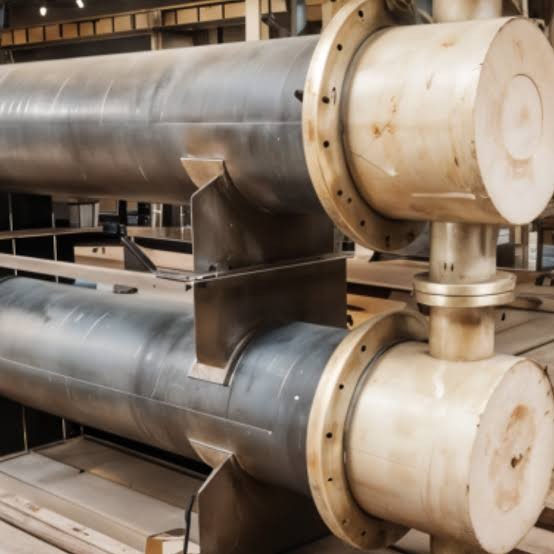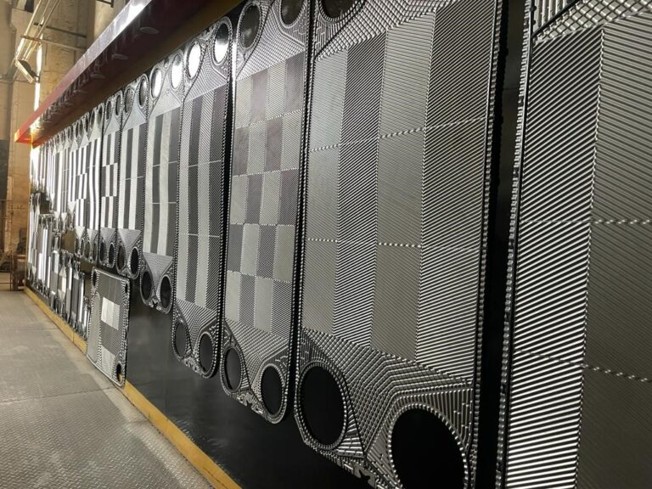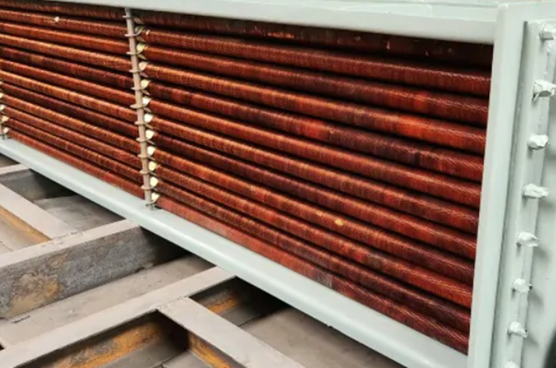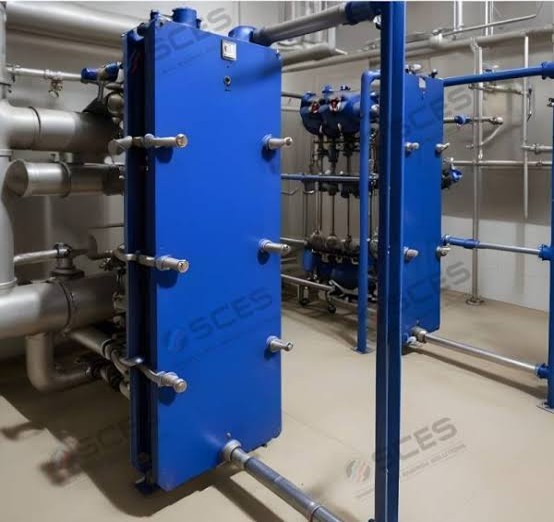
The reliability of an industrial heat exchanger depends on more than its design and heat transfer capacity. Every stage of manufacturing, from raw material procurement to final inspection, plays a role in determining equipment quality. Defects in materials, fabrication or welding can affect equipment integrity and create operational risks.
For industries investing in heat transfer equipment, understanding manufacturing quality is essential. An experienced heat exchanger manufacturer in India should have appropriate inspection procedures, material verification practices and testing processes to meet project specifications. These factors also help industrial buyers evaluate and compare heat exchanger suppliers in India.
What Quality Standards Apply to Heat Exchanger Manufacturing?
Industrial heat exchangers are manufactured according to design requirements, operating conditions and applicable industry codes. These standards establish requirements for equipment construction, material selection, fabrication and inspection.
Some commonly referenced standards include:
- ASME Boiler and Pressure Vessel Code: Provides requirements for the construction and inspection of applicable pressure equipment.
- TEMA Standards: Provide guidelines for the mechanical design and construction of shell and tube heat exchangers.
- Relevant Indian Standards: Apply to specific materials, manufacturing processes and equipment requirements.
The applicable standard depends on the heat exchanger type, project specifications and intended application.
What Happens During Heat Exchanger Quality Inspection?
Quality control begins before the actual assembly of equipment. Manufacturers carry out different inspections to verify that components meet the required specifications.
Material Verification
Raw materials used for shells, tubes, tube sheets and other components must match the approved material specifications. Material test certificates, grade verification and chemical composition checks help establish material traceability.
Welding Quality Inspection
Welded joints are critical to the structural integrity of heat exchangers. Welding procedures, welder qualifications and inspection records help maintain fabrication quality. Visual inspection and suitable non-destructive testing methods are used to identify potential defects.
Dimensional and Assembly Checks
Before final testing, components are checked against approved engineering drawings. Measurements may include shell dimensions, tube alignment, tube sheet positioning and connection locations. These checks help ensure proper assembly and compliance with design requirements.
Which Testing Procedures Help Verify Heat Exchanger Quality?
Testing helps establish whether the manufactured equipment meets its specified inspection and performance requirements.
Hydrostatic Pressure Test
This test uses pressurised water to check the pressure-retaining components for leakage and structural integrity. Testing pressure and duration are determined by the applicable code and approved procedure.
Pneumatic Pressure Test
A pneumatic test uses compressed gas to examine pressure-boundary integrity when permitted by the applicable requirements. Since compressed gas stores significant energy, strict safety precautions are necessary.
Non-Destructive Testing (NDT)
NDT methods identify potential defects without damaging the inspected components. Common techniques include:
- Ultrasonic Testing (UT): Detects internal discontinuities using sound waves.
- Radiographic Testing (RT): Examines internal weld conditions using X-rays or gamma rays.
- Dye Penetrant Testing (PT): Identifies surface-breaking defects.
- Magnetic Particle Testing (MT): Detects surface and near-surface defects in suitable ferromagnetic materials.
The selected testing method depends on the material, component, weld type and inspection requirements.
What Quality Documents Should Buyers Request?
Industrial buyers should review relevant manufacturing and inspection documents before accepting heat exchanger equipment.
Important documents may include:
- Material Test Certificates (MTCs).
- Welding Procedure Specifications (WPS).
- Procedure Qualification Records (PQR).
- Welder qualification records.
- Non-Destructive Testing reports.
- Pressure testing reports.
- Final inspection and quality documentation.
These records provide evidence that specified manufacturing and inspection activities have been completed.
Why Choose SCES Shrao Engineering?
Manufacturing quality is an important consideration when selecting industrial heat transfer equipment. SCES Shrao Engineering offers heat exchanger solutions for industrial applications with different process requirements.
Businesses can explore its product range and discuss their equipment requirements to identify suitable heat transfer solutions for their operations.
Looking for industrial heat exchanger solutions? Contact SCES Shrao Engineering to discuss your requirements and explore its product offerings.
Frequently Asked Questions (FAQs)
1. Why are quality standards important in heat exchanger manufacturing?
They establish requirements for design, materials, fabrication and inspection, helping ensure equipment meets specified operating and safety requirements.
2. What is the purpose of a hydrostatic test?
A hydrostatic test checks the pressure boundary for leakage and structural integrity using pressurised liquid.
3. What is the difference between destructive and non-destructive testing?
Destructive testing evaluates material properties by damaging a test specimen, whereas NDT examines components for defects without damaging them.
4. Which NDT method is used for weld inspection?
Common methods include ultrasonic testing, radiographic testing, dye penetrant testing and magnetic particle testing. The appropriate method depends on the inspection requirements.
5. What documents should buyers check before accepting a heat exchanger?
Buyers may review material certificates, welding records, NDT reports, pressure test reports and final inspection documentation.