Industrial processes often involve extreme operating conditions where heat must be transferred safely and efficiently. High pressure and high temperature can place considerable stress on heat exchanger components, making equipment design, material selection and manufacturing quality essential.
Shell and tube heat exchangers are widely used in industries such as power generation, oil and gas, petrochemicals and chemical processing. Their robust construction and adaptable configurations make them suitable for various demanding thermal applications.
Choosing experienced shell and tube heat exchanger manufacturers in India is important for industries that require equipment designed to handle specific pressure, temperature and process conditions. Understanding the engineering considerations behind these heat exchangers helps businesses make informed equipment selection decisions.
How Do Shell and Tube Heat Exchangers Work?
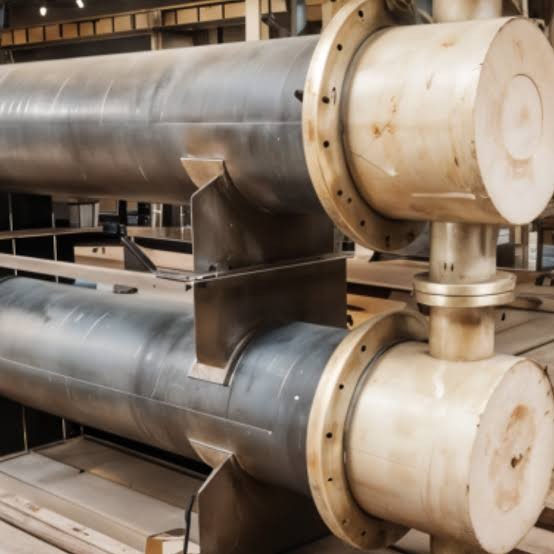
A shell and tube heat exchanger transfers heat between two fluids through a bundle of tubes enclosed within a cylindrical shell. One fluid flows through the tubes, while the other passes around them through the shell. Heat moves through the tube walls without the two fluids mixing under normal operating conditions.
This construction allows manufacturers to design equipment according to specific pressure, temperature, flow rate and process requirements.
How Do They Handle High-Pressure Industrial Conditions?
High-pressure applications require careful engineering to prevent leakage, deformation and equipment failure. Several design and manufacturing considerations help shell and tube heat exchangers operate under demanding conditions.
Strong Shell and Tube Construction
The shell, tubes, tube sheets and other pressure-retaining components must be designed according to the specified operating pressure. Appropriate wall thickness and mechanical design help the equipment withstand internal pressure and operating stresses.
Suitable Material Selection
Material selection depends on operating pressure, temperature, fluid composition and corrosion risks. Stainless steel, carbon steel and other suitable alloys may be considered based on process requirements.
Reliable Tube-to-Tubesheet Joints
Tube-to-tubesheet connections are important for maintaining separation between the two fluid circuits. Proper expansion, welding or a combination of joining methods helps minimise leakage risks.
How Do They Perform at High Temperatures?
High temperatures can cause thermal expansion, material degradation and additional mechanical stress. Shell and tube heat exchangers address these challenges through suitable design features.
Thermal Expansion Management
The shell and tubes may expand at different rates when exposed to temperature changes. Floating head and U-tube arrangements can accommodate differential thermal expansion, depending on the application.
High-Temperature Material Selection
Materials must retain their mechanical properties under the intended operating temperatures. The selection process considers thermal stability, corrosion resistance and compatibility with process fluids.
Temperature and Thermal Stress Considerations
Engineers evaluate temperature differences between the two fluids to understand thermal stresses during operation. Appropriate design and operating controls help maintain equipment reliability.
Which Industries Use Shell and Tube Heat Exchangers Under Extreme Conditions?
Shell and tube heat exchangers are used across several industries where demanding thermal conditions are common.
- Oil and Gas: Used in process heating, cooling and heat recovery applications.
- Power Generation: Support steam-related processes and cooling systems.
- Chemical Processing: Transfer heat between process fluids under specified operating conditions.
- Petrochemical Industries: Used in process cooling, heating and condensation applications.
- Heavy Manufacturing: Help maintain process temperatures in industrial production systems.
What Should Industries Consider When Selecting a Shell and Tube Heat Exchanger?
Choosing suitable equipment requires evaluating actual operating conditions rather than focusing only on pressure or temperature ratings.
Important considerations include:
- Maximum operating and design pressure.
- Operating and design temperature.
- Fluid properties and chemical compatibility.
- Corrosion and fouling potential.
- Required heat transfer capacity.
- Maintenance and inspection requirements.
- Applicable design codes and manufacturing standards.
Working with experienced manufacturers helps industries identify suitable equipment configurations, materials and manufacturing requirements for their applications.
Why Choose SCES Shrao Engineering?
Selecting the right heat exchanger manufacturer is important for meeting specific industrial process requirements. SCES Shrao Engineering offers industrial heat exchanger solutions for applications that require reliable heat transfer performance.
Businesses can explore SCES’s shell and tube heat exchanger solutions to understand its product offerings and discuss equipment requirements based on their operating conditions.
Looking for a suitable shell and tube heat exchanger for your industrial application? Contact SCES Shrao Engineering to discuss your requirements and explore suitable heat transfer solutions.
Frequently Asked Questions (FAQs)
1. Why are shell and tube heat exchangers suitable for high-pressure applications?
Their robust construction, pressure-rated components and flexible design configurations make them suitable for many high-pressure industrial processes.
2. Can shell and tube heat exchangers operate at high temperatures?
Yes. They can be engineered for high-temperature applications through appropriate material selection, thermal expansion management and mechanical design.
3. Which materials are used in high-temperature heat exchangers?
Carbon steel, stainless steel and specialised alloys may be used depending on operating temperature, pressure, fluid composition and corrosion requirements.
4. How is thermal expansion managed in shell and tube heat exchangers?
Floating head and U-tube configurations can accommodate differential thermal expansion between the shell and tube bundle.
5. Why is material selection important in high-pressure heat exchangers?
Suitable materials help maintain mechanical strength, resist corrosion and withstand the intended operating conditions.