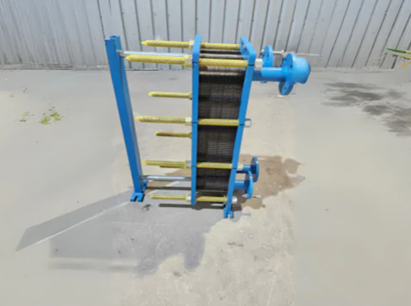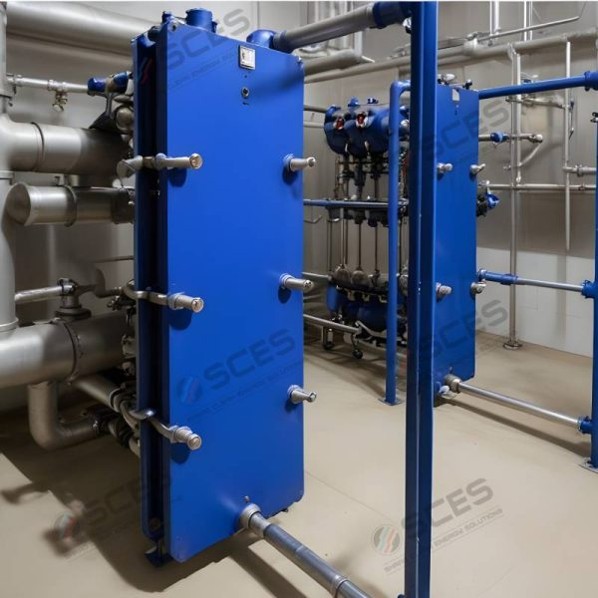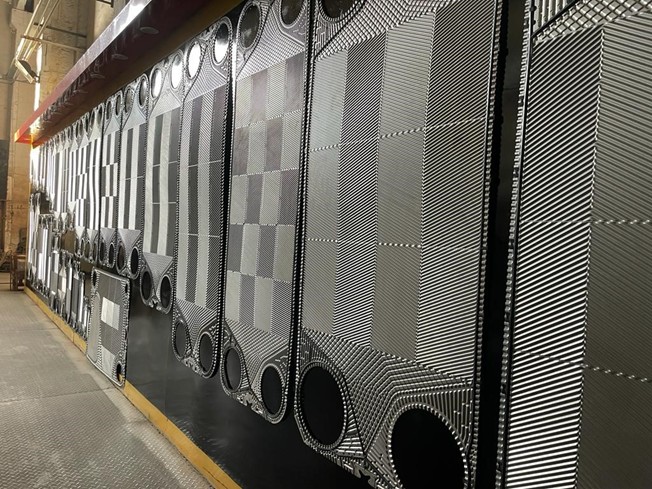
In the world of industrial thermal management, the Plate Heat Exchanger (PHE) is a powerhouse of efficiency. But even the most robust PHE is only as reliable as its weakest link: the gasket. These seemingly simple rubber components are the gatekeepers of your process, preventing leaks and ensuring fluids remain separated. Choosing the wrong gasket can lead to catastrophic failure, costly downtime, and cross-contamination.
So, how do you navigate the sea of options to find the perfect match for your application? It comes down to three critical pillars: Fluid Compatibility, Temperature, and Pressure.
1. The Chemistry Of Compatibility
The most immediate threat to a gasket is the fluid it seals. Chemical incompatibility can cause a gasket to swell, shrink, harden, or dissolve.
- Aggressive Chemicals: Acids and solvents require high-resistance materials like Viton (FKM).
- Oils and Fats: Petroleum-based fluids will rapidly degrade standard rubber but are perfectly handled by Nitrile (NBR).
- Water and Steam: For standard heating and cooling applications involving water or steam, EPDM is often the industry standard due to its excellent resistance to oxidation and heat.
2. The Heat Factor
Temperature plays a dual role. You must consider not just the maximum operating temperature, but also the minimum and any fluctuations.
- High Heat: If your process runs above 150°C, standard materials may become brittle and crack. High-temperature variants of EPDM or Viton are essential here.
- Thermal Cycling: Rapid temperature changes can cause “compression set,” where the gasket loses its elasticity and fails to seal when the unit cools down.
3. Pressure and Design
While the metal plates handle the bulk of the structural load, the gasket must withstand the internal pressure without blowing out. The design of the gasket—specifically its thickness and hardness (measured in Shore A)—must align with the pressure rating of your PHE. High-pressure applications often require a harder, more robust gasket profile to maintain a seal under stress.
Why The Manufacturer Matters?
Identifying the right material is only half the battle; sourcing it is the other. The quality of the raw polymer and the precision of the molding process determine the gasket’s lifespan. This is where partnering with a specialized phe gaskets manufacturer becomes crucial. A generic supplier might offer a “one-size-fits-all” NBR gasket, but a true specialist knows that food-grade NBR and industrial-grade NBR are chemically distinct.
Partner With SCES Shrao Engineering
When you need precision and reliability, SCES Shrao Engineering is your trusted partner. As a leading heat exchanger manufacturer with over 40 years of engineering excellence, SCES understands that a gasket is an engineered component, not just a spare part.
We offer a comprehensive range of high-quality, non-OEM gaskets that are fully compatible with all major international PHE brands. As a dedicated phe gasket supplier, we don’t just sell parts; we provide technical expertise. Our team helps you analyze your specific operating parameters—fluid type, temperature, and pressure—to recommend the exact gasket material that will maximize your uptime and efficiency. Whether you need FDA-compliant seals for food processing or high-resistance gaskets for petrochemicals, SCES delivers solutions that fit perfectly and last longer.
Don’t let a simple seal compromise your complex system.
Ready to upgrade your system reliability? Contact SCES Shrao Engineering today for expert advice and high-quality PHE gaskets tailored to your needs!