In the industrial sector, heat is the currency of production. Whether it’s generating steam, smelting metals, or processing chemicals, massive amounts of thermal energy are required. However, a staggering percentage of this energy is often vented straight into the atmosphere or dumped into drains as “waste heat.”
This isn’t just hot air; it is burning money.
This is where Waste Heat Recovery (WHR) systems come into play. By integrating high-efficiency heat exchangers into your process, you can capture this escaping energy and recycle it, transforming a waste product into a valuable asset. Here are the top benefits of making heat exchangers the core of your energy strategy.
1. Dramatic Reduction In Operating Costs
The most immediate benefit is financial. A heat exchanger acts as a thermal bridge, transferring heat from hot exhaust gases or effluent streams to a cooler medium, such as intake air or boiler feed water.
By pre-heating your input fluids, you significantly reduce the amount of primary fuel (natural gas, oil, or electricity) needed to reach the target operating temperature. For example, pre-heating combustion air for a furnace can reduce fuel consumption by 10% to 30%. In energy-intensive industries, this translates to massive savings on monthly utility bills, offering a rapid return on investment.
2. Lower Carbon Footprint and Compliance
Sustainability is no longer optional. Regulatory bodies are tightening emission standards, and consumers are demanding greener supply chains. By recycling heat, you burn less fossil fuel. This directly lowers your facility’s CO2, NOx, and SOx emissions. Implementing a robust WHR system using heat exchangers is one of the most effective ways to meet environmental regulations and improve your company’s sustainability rating without compromising production output.
3. Increased Production Efficiency
Beyond savings, heat exchangers can actually boost your output. When furnaces or boilers are fed with pre-heated air or water, they recover faster and maintain stable temperatures more easily. This thermal stability often allows for shorter cycle times and higher throughput, effectively increasing the capacity of your existing equipment without the need for expensive upgrades.
4. Versatility Across Applications
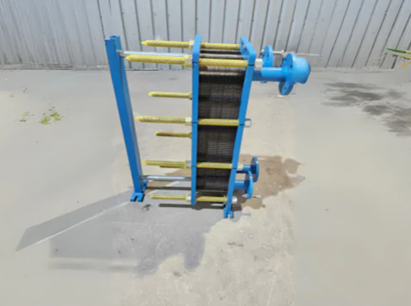
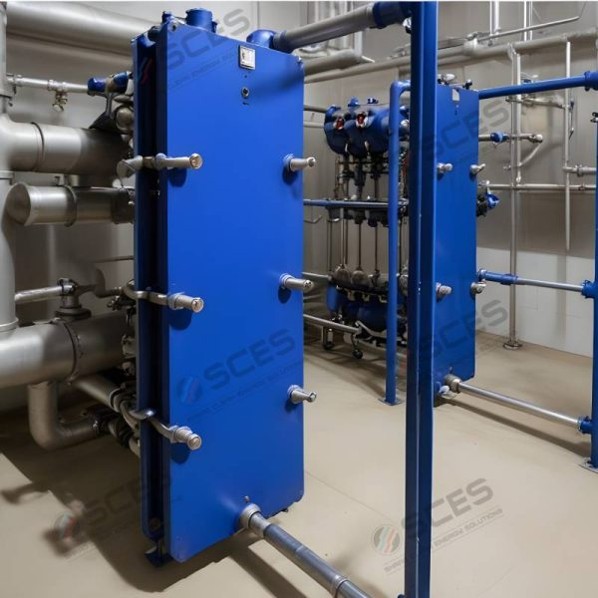
Heat exchangers are incredibly adaptable. Whether you are dealing with dirty exhaust fumes (requiring a rugged Shell and Tube design) or low-temperature liquid waste (ideal for a Plate Heat Exchanger), there is a solution. They can be retrofitted into almost any system, from power plants and cement kilns to food processing lines.
Partnering For Efficiency: SCES Shrao Engineering
However, the efficiency of a WHR system depends entirely on the quality of the thermal design. An inefficient exchanger will suffer from high pressure drops or fouling, negating the benefits.
Finding a reliable heat exchanger manufacturer in India who understands the nuances of waste heat is crucial. This is where SCES Shrao Engineering excels. With over four decades of experience, SCES designs and manufactures precision heat transfer equipment tailored for rigorous industrial use.
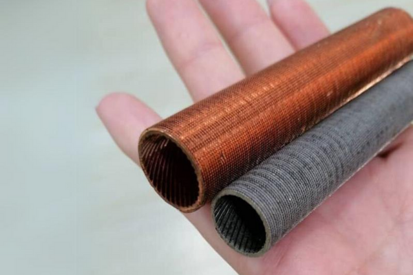
While many heat exchanger suppliers in India offer standard off-the-shelf units, SCES Shrao Engineering provides custom-engineered solutions. We analyze your specific waste stream—temperature, flow rate, and composition—to build an exchanger that maximizes heat recovery while withstanding corrosion and fouling. From robust Shell and Tube exchangers to specialized air-cooled units, our products are built to turn your waste heat into profit.
Stop letting your energy investments vanish into thin air.
Ready to lower your fuel costs and boost efficiency? Contact SCES Shrao Engineering today to design a custom Waste Heat Recovery solution for your plant!