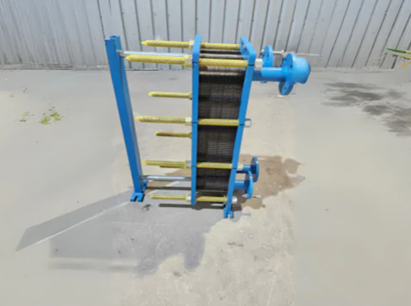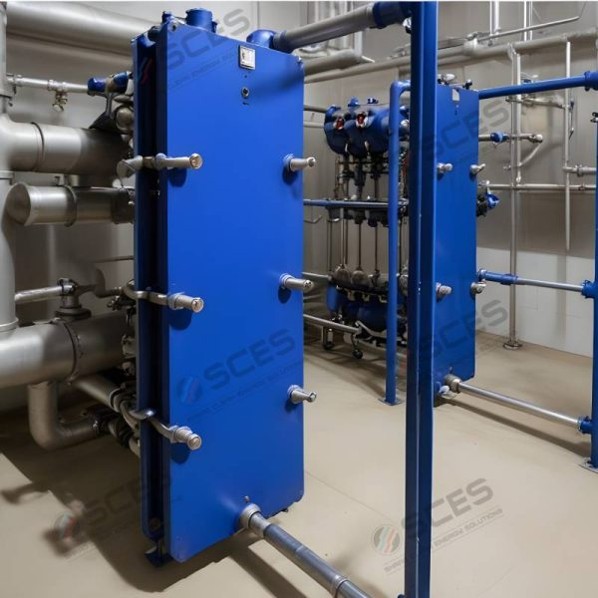
The efficiency of your Plate Heat Exchanger (PHE) relies heavily on a component that is often overlooked until it fails: the gasket. These rubber seals are the unsung heroes of thermal management, maintaining pressure and preventing fluid cross-contamination. However, when a gasket fails, the result is immediate downtime, safety hazards, and potential product loss.
Understanding why these failures happen is the first step toward preventing them. Here are the most common culprits and how to stop them in their tracks.
1. Chemical Incompatibility
The most frequent cause of failure is using the wrong rubber for the job. If the gasket material is chemically incompatible with the fluid flowing through the plates, it can degrade rapidly.
- The Signs: The gasket may swell, blister, or even dissolve into a sticky mess.
- The Fix: Always verify chemical compatibility before installation. For example, while NBR (Nitrile) is excellent for oils, it will degrade quickly if exposed to certain acids, which might require EPDM or Viton instead.
2. Thermal Stress and Aging
Every elastomer has a temperature limit. Exceeding this limit—or even operating near the maximum for extended periods—can cook the gasket.
- The Signs: The gasket becomes hard, brittle, and loses its elasticity (compression set). When you open the unit for maintenance, the gasket might crack or shatter rather than peel off.
- The Fix: Monitor operating temperatures strictly. If your process involves high heat, ensure you are using high-temperature-rated gaskets.
3. Pressure Spikes and “Water Hammer”
PHE gaskets are designed to withstand steady pressure, not sudden shocks. “Water hammer”—a sudden pressure surge caused by quick-closing valves or pump start-ups—can force the gasket out of its groove.
- The Signs: The gasket is physically blown out or displaced, often looking “extruded” from the side of the plate pack.
- The Fix: Install soft starters on pumps and avoid fast-acting valves to smooth out flow changes.
4. Improper Installation
Sometimes, the error is human. Over-tightening the plate pack crushes the gasket, destroying its ability to rebound. Under-tightening leads to leaks.
- The Fix: Always follow the manufacturer’s tightening dimensions (A-dimension) precisely. Use a torque wrench and tighten the pack evenly in a diagonal pattern to ensure uniform pressure.
Partner With A Reliable Manufacturer
Preventing failure starts with sourcing high-quality spares. A generic seal might look the same, but the difference in polymer quality can mean months of lost operation.
This is where SCES Shrao Engineering stands apart. As a premier phe gaskets manufacturer, SCES prioritizes material science. We don’t just mold rubber; we engineer seals that withstand specific industrial rigors, from aggressive chemicals to extreme heat. Whether you need NBR, EPDM, or Viton, our gaskets are manufactured to precise tolerances, ensuring compatibility with all major international PHE brands.
Choosing the right phe gasket supplier is about more than just price; it’s about reliability. SCES Shrao Engineering brings over 40 years of expertise to the table, ensuring that the gaskets you install today will perform flawlessly tomorrow.
Stop leaks before they start.
Contact SCES Shrao Engineering today to discuss your specific application and get a quote for high-performance PHE spares that last.